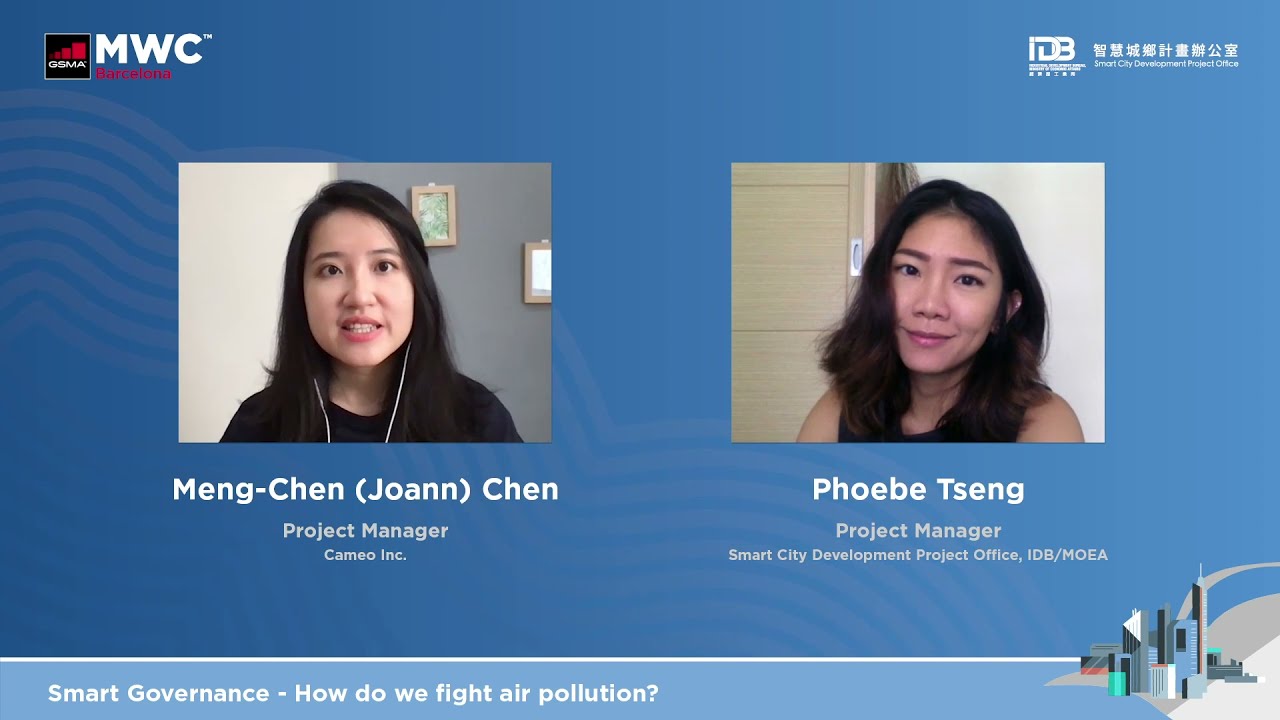
📺 Today’s recommended deep-dive video: https://www.youtube.com/watch?v=j5R39eh4-4Q
Taiwan’s Smart City Blueprint: From Local Pilots to Global Solutions
Taiwan has transformed its dense urban landscape into a living laboratory for cutting-edge technology, scaling over 200 projects across transportation, healthcare, and agriculture. By combining world-class ict hardware with sophisticated software, these solutions are now being exported to international partners to tackle universal challenges like air pollution and food security.
Core Question: How is Taiwan leveraging its dense IoT networks and AI expertise to create a repeatable model for smart cities globally?
Highlights
- High-density environmental IoT sensors that identify illegal industrial emissions with spatial-temporal precision.
- Autonomous drone-in-a-box “Nest” systems that provide 24/7 security patrolling without human intervention.
- Smart parking networks using geomagnetic sensors to increase turnover and reduce urban traffic congestion.
- Precision agriculture tools including aquaculture monitoring and “digital twins” for fruit harvesting optimization.
⏱️ Reading time: approx. 7 minutes · Saves you about 49 minutes vs. watching.
Want to take notes while watching? Click the image below and let AI Notebook capture the key points for you 👇

AI-Powered Environmental Surveillance and Security
Tackling Pollution with Massive Data
Cameo’s environmental platform manages an incredible volume of data, processing roughly 4 billion requests annually from 9,000 IoT sensors across Taiwan. These sensors monitor PM2.5 and Volatile Organic Compounds (VOCs) every minute, allowing the system to visualize pollution hotspots and identify abnormal patterns that indicate illegal emissions from nearby factories.
In a landmark case, the system identified a PET bottle manufacturer that had been illegally emitting pollutants for months; despite its reputation as a “clean” firm, the persistent high-value data provided the evidence needed for a $20 million TWD fine. This capability is not just for enforcement but helps factories balance economic growth with environmental responsibility by optimizing their cleaning equipment operations.
By utilizing high-density sensor networks, governments can transition from reactive complaints-based inspections to proactive, data-driven law enforcement.

💡 Digging Deeper
Q: How does the system distinguish between accidental and purposeful pollution?
A: The machine learning models analyze long-term temporal patterns; consistent spikes over months suggest systemic illegal activity, whereas isolated incidents point to mechanical failure.
Q: Can this technology be used in cities with lower sensor density?
A: Yes, though Taiwan has the world’s highest density, the software platform is adaptable to various sensor counts, focusing on the most critical industrial zones first.
Q: What role does the “Nest” play in drone security?
A: The CIRC “Nest” is an autonomous station that allows drones to take off, complete scheduled missions, land, and recharge without any on-site personnel.
Smart Infrastructure: Mobility and Parking
Optimizing the Urban Curb
TIDC addresses one of the most persistent urban headaches: the search for a parking spot, which accounts for a significant portion of city traffic. Their solution utilizes geomagnetic sensors embedded in the pavement combined with 4G wireless connectivity to provide real-time occupancy data to drivers via a mobile app.
Currently covering over 50% of major cities in Taiwan, the system does more than just find spots; it integrates with local business districts to offer parking discounts, creating a symbiotic ecosystem between mobility and commerce. This integration has led to a significant increase in parking turnover rates and overall citizen satisfaction, as drivers spend less time idling and more time shopping or working.

💡 Digging Deeper
Q: How do geomagnetic sensors communicate with the city?
A: They use 4G or NB-IoT wireless technology to transmit occupancy status directly to a cloud server every time a vehicle enters or leaves a space.
Q: Is the system strictly for finding spaces?
A: No, it also functions as a billing and management system, allowing for automated ticketing and big data analysis for future urban policy planning.
Precision Agriculture: IoT and Digital Twins
Protecting the Livelihood of Fish Farmers
Quadlink Technology has revolutionized aquaculture by moving away from handheld sensors to continuous, solar-powered monitoring systems. Their “Aqualink” box monitors dissolved oxygen, pH, and temperature, sending pre-warning alarms to farmers’ phones if water quality begins to deteriorate.
This proactive approach saved a local farmer from total loss when the system detected a gradual drop in Oxidation-Reduction Potential (ORP) that was invisible to the naked eye. By intervening with probiotics and aeration before the levels became lethal, the farmer preserved his harvest, demonstrating that IoT can increase fishery capacity by up to 30%.

The Rise of the Planting Digital Twin
While Quadlink focuses on the water, USYNC is digitizing the field through “Planting Digital Twins” for high-value fruits like dragon fruit and bananas. They provide an end-to-end SOP (Standard Operating Procedure) where farmers follow specific daily instructions generated by AI to match the quality and quantity of top-tier harvests.
This technology bridges the gap between generations, allowing young farmers to inherit the “human intelligence” of veterans through a digital interface. By storing every environmental and activity record in a database, the system makes crop yields predictable and even investable for capital partners.
Transforming Healthcare with Remote Monitoring
The Post-Pandemic Medical Shift
AdvMeds has developed a suite of digital health tools designed to reduce the physical burden on hospitals by moving care into the community. Their M-Scheduler platform virtualizes the hospital experience, providing a seamless flow from online appointment booking and video consultation to automated reminder messages.
During the COVID-19 pandemic, their smart surveillance stations shortened the hospital entry process—including temperature checks and travel history verification—from 50 seconds to just three seconds. This digitization prevents the dangerous “bottleneck” effect at hospital entrances where viruses can spread easily among waiting patients.

💡 Digging Deeper
Q: How does remote monitoring help chronic disease patients?
A: It allows daily health management (blood pressure, oxygen levels) to be tracked by a central system, triggering an alert for clinical intervention before a condition becomes an emergency.
Q: Is the telehealth system just a video call?
A: No, it is a clinical workflow tool that includes queue management, patient history access during the call, and integrated billing, making it more robust than standard video apps.
Key Takeaways
The common thread through Taiwan’s smart city success is the “Hardware + Software + Service” model. Companies like Cameo and Quadlink don’t just sell sensors; they sell AI-driven insights that lead to direct economic or environmental outcomes. By utilizing Taiwan’s strong ICT manufacturing base, these firms are able to deploy high-density IoT networks that provide the “big data” necessary for AI to be truly effective.
Furthermore, the shift toward “as-a-service” models, such as USYNC’s IoT leasing or AdvMeds’ subscription-based hospital systems, makes these technologies accessible to developing nations. As Taiwan continues to refine these 223 projects, the goal remains to create a modular, scalable blueprint that any city can adopt to improve the lives of its citizens.
Q&A
Q1: What is the primary benefit of the “drone-in-a-box” system?
A: It allows for 24/7 security patrolling in dangerous or remote areas without the need for on-site pilots, using 5G to relay real-time AI image analysis back to a central control room.
Q2: How does the air pollution system help the economy?
A: It helps factories identify accidental leaks or equipment failures early, allowing them to fix issues before they face massive fines or cause environmental disasters that halt production.
Q3: Can the smart parking system be integrated with electric vehicle (EV) charging?
A: Yes, the platform is designed to be modular, allowing for the integration of EV charging status, automated payment systems, and even retail discounts in one interface.
Q4: How does a “Digital Twin” assist a new farmer?
A: It provides a step-by-step daily guide based on historical data of successful harvests, effectively acting as a digital mentor to ensure quality yield without years of trial-and-error.
Q5: Why is solar power critical for aquaculture IoT?
A: Fish ponds are often in remote locations without easy access to the power grid; solar cells ensure the monitoring boxes remain operational 24/7 regardless of the infrastructure.
Q6: How did Taiwan speed up hospital entry during COVID-19?
A: By using automated kiosks that scanned national health cards to instantly pull travel and contact history (TOCC) while simultaneously recording body temperature in three seconds.
Q7: Is this technology only for large cities?
A: No, many of these solutions, particularly in healthcare and agriculture, are designed specifically to support remote areas where human resources are scarce.