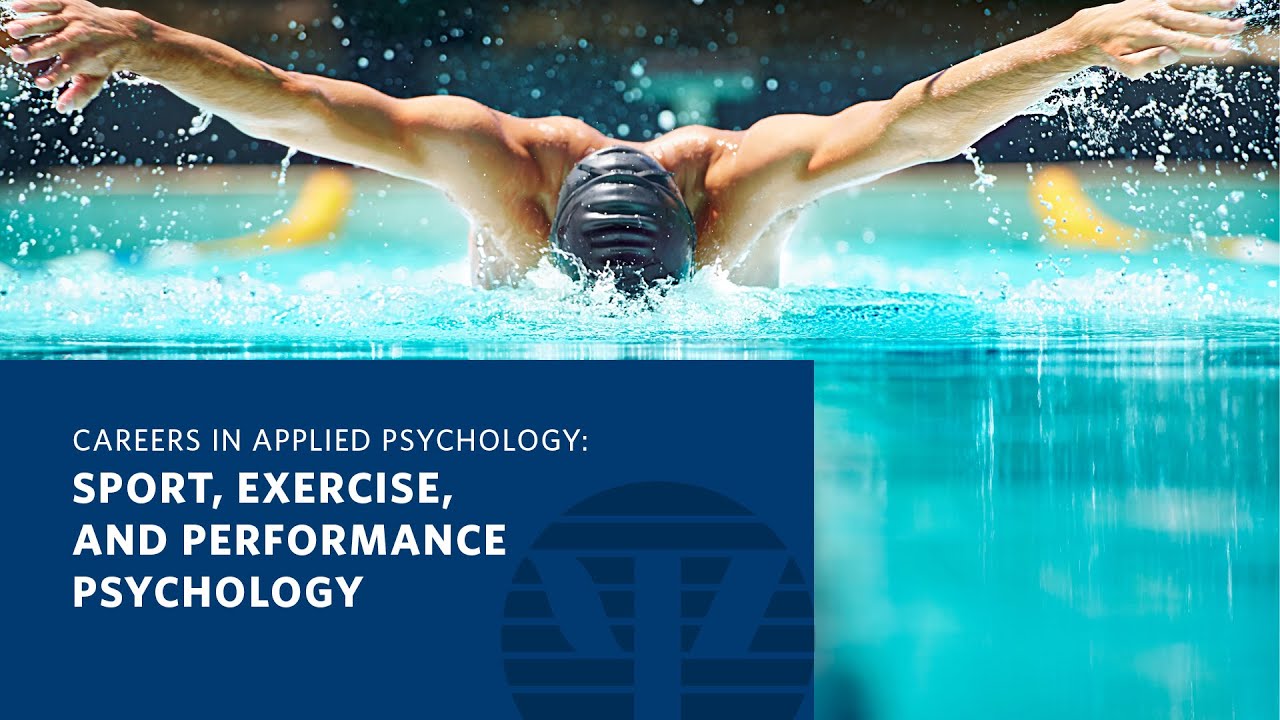
📺 Today’s recommended deep-dive video: https://www.youtube.com/watch?v=YVaT7115o4o
Beyond the Scoreboard: Navigating Career Paths in Sport, Exercise, and Performance Psychology
While many associate sports psychology solely with elite athletes, the field encompasses a vast range of high-stakes environments from military operations to public health initiatives. This expert panel explores the diverse professional landscape, highlighting the critical distinctions between clinical and educational pathways for aspiring practitioners.
Core Question: What are the primary career trajectories and necessary credentials for professionals entering the field of sport, exercise, and performance psychology?
Highlights
- The crucial distinction between licensed clinical practitioners and educational mental performance consultants.
- Why the U.S. military is currently the largest employer of performance psychology experts.
- Strategies for building a private practice as an entrepreneur in the youth and endurance sport sectors.
- The growing integration of mental health platforms within professional organizations like the NBA and USOPC.
⏱️ Reading time: approx. 6 minutes · Saves you about 38 minutes vs. watching.
Want to take notes while watching? Click the image below and let AI Notebook capture the key points for you 👇

Defining the Field and Its Educational Foundations
The Two-Track System
Sport, Exercise, and Performance (SEP) psychology is the scientific study of psychological factors that influence performance and how participation in physical activity affects psychological development. While the terms are often used interchangeably, there is a distinct split between performance-focused work and health-focused exercise psychology.
The choice of career path dictates your scope of practice.
The educational career path focuses primarily on mental skills training—such as goal setting, imagery, and self-talk—and typically requires a master’s or doctoral degree in sport science or kinesiology. These practitioners, often called mental performance coaches, work across youth, collegiate, and professional levels to help athletes gain a competitive edge through psychological conditioning.
Conversely, the clinical career path requires a license as a psychologist, counselor, or social worker to address diagnosable mental health issues like depression or anxiety alongside performance concerns. This path involves rigorous training in clinical psychology programs, ensuring the practitioner can safely navigate the complex intersection of an athlete’s personal well-being and their public-facing performance.

💡 Digging Deeper
Q: What are common SEP interventions?
A: Practitioners teach skills like attention control, positive self-talk, visualization, and relaxation to help individuals manage the high-demand pressure of competitive environments.
Q: Is a license always required?
A: A license is only mandatory for the clinical path where you are treating mental health disorders; performance-only consulting usually requires the CMPC (Certified Mental Performance Consultant) credential.
Q: What is the primary goal of exercise psychology?
A: It focuses on increasing health and well-being by applying psychological principles to help the general population maintain regular physical activity.
Performance Psychology in High-Stakes Environments
Military and Elite Sport Systems
Surprisingly, the largest employer of SEP psychologists is not professional sports, but the United States military. Performance experts work as contractors or staff to help soldiers optimize their cognitive and physical readiness for high-risk operations where lives are on the line.
The military environment operates like a high-performance laboratory.
Dr. Elmer Castillo describes this role as being a “fish in water,” where the practitioner leaves the office to observe training in the field. By embedding with units, performance experts can provide real-time mental conditioning that helps soldiers manage stress and maintain focus during critical evaluations or combat scenarios.
Similarly, at the elite level, organizations like the U.S. Olympic and Paralympic Committee (USOPC) have moved toward a holistic “system health” model. Dr. Angel Brutus emphasizes that her role involves not just treating athletes, but also providing wellness initiatives for the entire staff, from athletic directors to ticket office employees, to ensure the environment supports peak performance for everyone involved.

💡 Digging Deeper
Q: How does military work differ from sports?
A: While the psychological skills (focus, resilience) are similar, the stakes in the military are often survival and mission success rather than winning a game.
Q: What is a “Master Resilience Trainer”?
A: It is a specific role in the military that uses performance psychology to teach soldiers how to bounce back from adversity and maintain mental toughness.
Q: Can performance experts work with surgeons?
A: Yes, the “performance” domain includes any high-demand field, including medical arts, performing arts, and first responders.
The Entrepreneurial and Corporate Frontier
Private Practice and Pro League Leadership
For those who prefer autonomy, private practice offers a path to specialize in niche markets like endurance sports or youth development. This path requires a dual identity: you must be both a skilled consultant and a savvy business owner. Managing sales, marketing, and ethical client relationships is just as important as the mental skills you teach in one-on-one online sessions.
Success in private practice is built on the strength of the relationship.
In the world of professional leagues, the focus has shifted toward league-wide wellness platforms. Dr. Kenza Gunter, as the Director of NBA Mind Health, works at the intersection of performance, mental health, and culture. This involves consulting at a systemic level to ensure that the culture of the league—including the NBA, WNBA, and G League—promotes mental wellness as the foundation for excellence.
Practitioners in these roles must account for the cultural identities of their clients. The impact of world events and the specific culture of a sport can significantly influence how an athlete shows up in their performance space, making cultural competency a non-negotiable skill for modern psychologists.

Key Takeaways
The field of Sport, Exercise, and Performance Psychology is much broader than the sidelines of a football game. Whether you are helping an older adult overhaul their health behaviors in an exercise psychology program or assisting an NBA player in navigating the pressures of the playoffs, the core of the work is centered on the person, not just the performer. The “curvy road” to these careers often involves a mix of kinesiology, clinical psychology, and public health, proving that there is no single “correct” way to enter the profession.
Aspiring practitioners should prioritize high-quality mentoring and the CMPC credential to establish credibility. Networking and proactivity—encapsulated by the mantra “don’t ask, don’t get”—are essential for opening doors in competitive sectors like pro sports and the military. Ultimately, your “real resume” is the quality of the work you do and the kindness you show, as your reputation will often precede you into rooms you haven’t even entered yet.
Q&A
Q1: What is the CMPC credential?
A: The Certified Mental Performance Consultant (CMPC) is a certification offered by the Association for Applied Sport Psychology (AASP) that demonstrates a professional has met specific requirements in education, experience, and knowledge.
Q2: Can I work in this field with only a Master’s degree?
A: Yes, many mental performance consultants work in the military or private practice with a Master’s, though a Doctorate is often required for university faculty positions or licensed clinical roles.
Q3: How does exercise psychology differ from sport psychology?
A: Sport psychology focuses on performance enhancement for athletes, while exercise psychology focuses on using psychological principles to increase physical activity participation and health in the general public.
Q4: What is the most important skill for a new practitioner?
A: Beyond scientific knowledge, the ability to build a professional, trusting relationship with a client is cited by all experts as the most critical factor for success.
Q5: Are there opportunities in business?
A: Absolutely; performance psychologists often work in corporate wellness, stress management, and team building for high-performing executive teams.
Q6: Should I go to therapy myself if I want to be a sports psychologist?
A: Several panelists highly recommend it. Experiencing the “client seat” helps you understand the process and ensures you are managing your own mental health before trying to help others.
Q7: How do I find a mentor?
A: Look for graduate programs with established SEP labs and reach out to CMPC-certified professionals. Networking and asking questions are the best ways to find quality supervision.