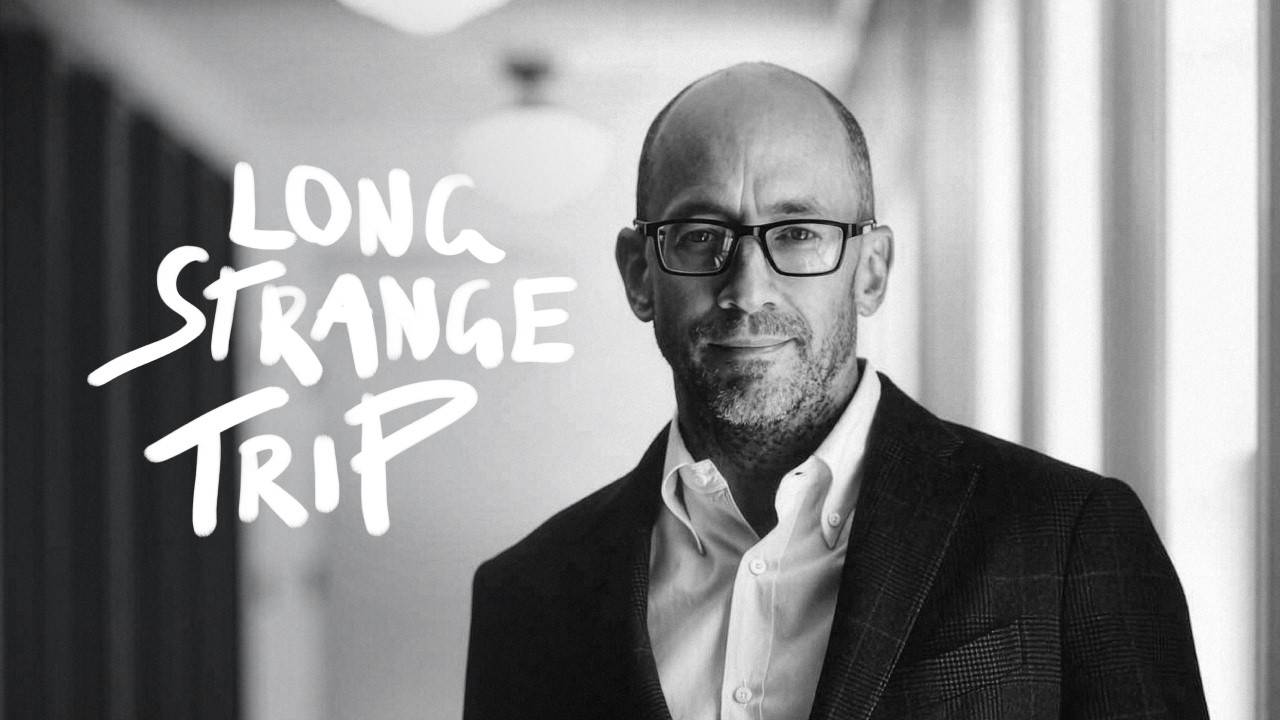
📺 Today’s recommended deep-dive video: https://www.youtube.com/watch?v=Kw5hhIsw-wQ
The Adult in the Room: Dick Costolo on Scaling Twitter’s “Drama Queen” Era
When Dick Costolo stepped into the CEO role at Twitter, the company was a cultural juggernaut but an organizational “drama queen,” famously depicted on magazine covers with its iconic bird in various states of distress. He navigated a famously dysfunctional board and a lack of revenue to transform the platform into a high-velocity scaling machine.
Core Question: How can a leader transform a chaotic, consensus-driven startup into a high-velocity organization without losing the talent that built it?
Highlights
- The “Bias to Yes” Rule: Why only direct managers or legal should have the power to stop an experiment.
- Death of Consensus: How shifting from group voting to individual Directly Responsible Individuals (DRIs) saved decision-making.
- The Instagram “Whopper”: A behind-the-scenes look at the failed acquisition that could have changed social media history.
- Management by Walking Around: Using late-night office tours to reset culture and prioritize the right projects.
⏱️ Reading time: approx. 8 minutes · Saves you about 59 minutes vs. watching.
Want to take notes while watching? Click the image below and let AI Notebook capture the key points for you 👇

From Consensus Chaos to Execution Velocity
Breaking the Fiefdoms
When Costolo joined, Twitter operated as a collective where even minor product changes, like the wording of a status bar, were debated in large circles. This democratic approach resulted in “methodical” progress—a polite term for stagnation—where engineering projects took six weeks instead of two simply because everyone expected a seat at the table. To fix this, Costolo pushed decisions down the stack, stripping away the ability for cross-functional departments to stall progress through “organizational barnacles.”
He famously realized that speed dies when people are told they need approval from fourteen different stakeholders who don’t even report to them.
Costolo instituted a “Bias to Yes” policy, decreeing that only a direct manager or the legal department could stop a project. This prevented “fiefdoms” from exercising ball control over their domains, allowing engineers to launch experiments to small user groups without waiting for design wireframes or marketing sign-offs. This shift moved the company from a culture of permission to a culture of accountability, where outcomes mattered more than the process itself.

💡 Digging Deeper
Q: Why is “Dick said so” a dangerous phrase in a company?
A: It’s often used by mid-level managers to end debates they can’t win with logic, which strips context from the engineers and creates a culture of blind obedience rather than understanding.
Q: How does a leader balance speed with the risk of mistakes?
A: By accepting that the job of leadership isn’t to prevent every mistake, but to ensure the organization is agile enough to correct them immediately when they happen.
The Art of Scaling Communication
Context Over Commands
Costolo’s management philosophy was heavily influenced by the late Bill Campbell, focusing on the mantra: “Make sure everybody understands what you understand.” In a hyper-growth environment, the gap between what the CEO knows and what a junior employee perceives can lead to total misalignment. He argued that priorities without context are useless, as employees need to see how their specific “brick-laying” contributes to the “cathedral” of the company’s mission.
He often used a Steve Jobs-inspired trick of meeting with sub-teams without their directors present.
During these 45-minute sessions, he would ask what wasn’t working, taking notes without immediate judgment to ensure he was hearing the unvarnished truth. This helped him identify if the management’s version of reality matched the front-line experience, allowing him to fix “forest fires” before they consumed the entire organization. By doing this, he could verify if the company’s core priorities were actually being internalized or if they were getting lost in translation as they moved down the hierarchy.

💡 Digging Deeper
Q: What is “Forestry Management” in leadership?
A: It is moving from tactical “firefighting” to strategic planning—mapping the territory so that future fires cannot jump the highways you’ve built.
Hard Decisions: People, Competition, and Regrets
The Feedback Protocol and Hiring Motor
Costolo was known for being aggressive rather than passive-aggressive, a trait he attributes to his background in improv comedy. He advised CEOs to write down tough feedback the night before a meeting and deliver it exactly as written, avoiding the “fluff” that often confuses the message. One of his most effective tools was the use of silence; after delivering hard news, he would simply sit and wait, allowing the other person to process the information without being rescued by polite chatter.
Firing slow was his greatest recurring mistake, a common trap for CEOs who hope a low performer will magically improve.
When it came to talent, he looked for “motors”—people like Adam Bain who were tireless and could out-hustle incumbents. Bain’s strategy against the Facebook juggernaut wasn’t to compete on features, but to pivot the conversation toward the customer’s business problems. This “different angle” allowed Twitter to win ad dollars even when they were technically outmatched by Facebook’s micro-targeting capabilities.

💡 Digging Deeper
Q: What was the “Whopper” regret regarding Instagram?
A: Costolo attempted to buy Instagram for roughly 10% of Twitter’s value just before Facebook’s billion-dollar deal, a move that likely would have secured Twitter’s dominance in rich media.
Q: How should a CEO handle bad press?
A: Develop resilience by realizing that being the CEO of a major platform makes you a target; Costolo famously stayed grounded by only attending events he was invited to as “Dick,” not just as the “Twitter CEO.”
Key Takeaways
Scaling a company requires a fundamental shift from being an “editor-in-chief” to a “forestry manager.” While the early days of a startup thrive on the founder’s intuition and collective passion, a hyper-growth organization will collapse under its own weight if it doesn’t move toward decentralized decision-making. By implementing a “Bias to Yes” and empowering DRIs, a leader can maintain velocity even as headcount explodes into the thousands.
Communication architecture is the most undervalued asset in a scaling CEO’s toolkit. It isn’t enough to set goals; you must relentlessly provide the context behind those goals through management by walking around and ensuring your directors are translating the “why” to their teams. This transparency creates a culture where bad news travels fast, allowing for the rapid corrections that define successful high-growth companies.
Finally, the human element of leadership—giving feedback and managing talent—requires a level of directness that feels unnatural to many. Costolo’s emphasis on avoiding “passive-aggressiveness” and embracing the discomfort of silence during hard conversations is a vital lesson for any executive. Whether it’s passing on a massive acquisition or firing a key executive, the ability to act decisively and communicate clearly is what separates a “drama queen” company from a sustainable market leader.
Q&A
Q1: How did Dick Costolo handle the “dead bird” reputation of Twitter when he took over?
A: He set a simple, low-bar goal for his communications team: no dead birds on magazine covers. This signaled a shift toward stability and a focus on internal health over external drama.
Q2: What is the “Bias to Yes” and why is it important?
A: It’s a rule where only a direct manager or legal can stop an initiative. It prevents “organizational barnacles” from slowing down innovation through unnecessary cross-functional approvals.
Q3: How did Twitter compete with Facebook’s superior ad targeting?
A: Through superior salesmanship and “out-hustling.” They focused on understanding the customer’s business concerns rather than just pitching a list of eight new technical features every quarter.
Q4: Why does Dick Costolo recommend against taking a company public too early?
A: He believes running a private company is far less stressful and allows for a long-term focus without the daily distraction of a ticker symbol and quarterly revenue pressure.
Q5: What was the advice Bill Campbell gave regarding tough feedback?
A: Write down the honest feedback the night before and then say exactly that. People often “soften” the blow in the moment, which leads to confusion and unresolved performance issues.
Q6: What is the most common pitfall for hyper-growth AI companies today?
A: Raising too much money and losing focus on operating leverage. When capital is unlimited, leaders stop worrying about efficiency, which creates long-term structural problems.
Q7: How can improv comedy help a CEO?
A: It builds resilience to public failure and makes being on stage or in front of a camera feel natural, allowing the leader to focus on the message rather than their own anxiety.