📺 Today’s recommended deep-dive video: https://www.youtube.com/watch?v=WIjcU9CZgbM
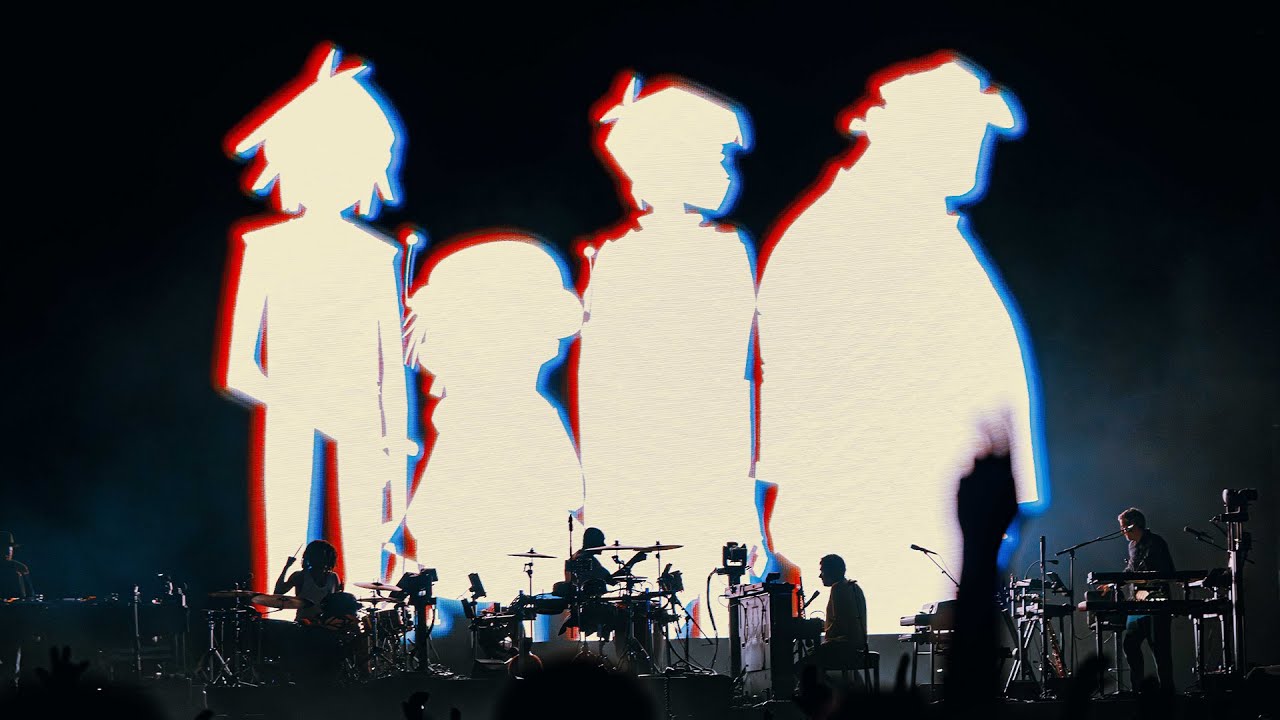
25 Years of the Virtual: The High-Octane Evolution of Gorillaz Live
For over two decades, Gorillaz has defied the traditional boundaries of what a band can be by blending animation with raw musical talent. This high-energy performance serves as a celebration of their legacy, proving that even a “virtual” project thrives on tangible human energy and communal joy.
Core Question: How does Gorillaz maintain its cutting-edge relevance after twenty-five years of bridging the gap between digital identity and live performance?
Highlights
- The “Guru” Philosophy: The essential symbiosis between visual imagery and musical output.
- Radical Authenticity: Why the band chose to stop and restart the show to maintain creative integrity.
- Sonic Diversity: A masterclass in blending hip-hop, electronic, and rock influences.
- Legacy of the Street: Celebrating 1999 roots and a quarter-century of “sunshine in a bag.”
⏱️ Reading time: approx. 6 minutes · Saves you about 74 minutes vs. watching.
Want to take notes while watching? Click the image below and let AI Notebook capture the key points for you 👇

The Symbiosis of Image and Sound
The Philosophy of the Guru
Damon Albarn pauses the frenzy to remind the audience that the magic of Gorillaz relies on a delicate balance between visual aesthetics and auditory punch.
This concept of the “guru” suggests that neither the music nor the image can stand entirely alone; they are sympathetic entities that must work in perfect harmony to maintain the illusion. When that synchronicity breaks, the spell is momentarily shattered, revealing the vulnerable, human mechanics behind the massive global enterprise.
The transcript captures a rare moment of transparency where the lead performer acknowledges a mistake, refusing to “pretend” that everything is perfect for the sake of the show’s artifice. By stopping the music and restarting with the crowd, the performance transcends the pre-packaged nature of modern concerts, transforming a potential failure into a profound shared experience of authenticity and collective resilience against the “spinning world.”

💡 Digging Deeper
Q: Why did the performer stop the show during the song?
A: He felt the music and the “image” were no longer sympathetic to each other, emphasizing that perfection isn’t as important as the integrity of the vibe.
Q: What does “sunshine in a bag” represent in this context?
A: It represents the intangible, portable joy or “tangible future” that the music provides, even when the world outside feels chaotic or corrupt.
Sonic Landscapes and Rhyme
The Interplay of MC and DJ
The music remains the primary chosen message, serving as a rhythmic shield against the destruction and demise perceived in the modern sky.
Central to the Gorillaz experience is the interplay between digital percussion and the physical presence of live rappers who navigate complex gravitational pulls. The lyrics often touch on themes of “sunshine in a bag”—a metaphorical look at the intangible assets we carry within our psychological landscapes during times of isolation.
From the “aqua boogie” to the “running man,” the performance demands physical participation, urging the crowd to move as a singular organism in defiance of the world’s fast-spinning nature. The mention of Nike shoes and the “conflict between prey and town” serves as a reminder of the urban isolation that birthed the project’s aesthetic in 1999, highlighting how these themes have only become more prescient as technology advances.

💡 Digging Deeper
Q: What role does the DJ play in the “unfrozen” beat?
A: The DJ acts as the engine, ensuring that even if the rhythm is “frozen,” the MC can bring it to life through rhyme and movement.
Q: How is the “future” described in the lyrics?
A: It is described as “coming on,” suggesting a persistent, inevitable evolution that requires one to possess an “internal rhythm” to survive.
A Legacy of 25 Years
From the Street to the Global Stage
The crowd is invited to scream in a massive, building-wide call and response that obliterates the fourth wall of the virtual band.
Celebrating a quarter-century of history, the band acknowledges its roots in 1999, a time when the “little mark with the a and the ring around it” was still a novelty to many. Today, the isolation described in their tracks like “Tomorrow Comes Today” or “Clint Eastwood” is no longer a futuristic concept but a lived reality for the millions of fans who find community within the Gorillaz universe.
As the “remix” kicks in and the bass drops, the distinction between the cartoon avatars and the sweating musicians on stage vanishes completely. It is a testament to the project’s endurance that songs written at the turn of the millennium still possess the power to make thousands jump in unison, proving that great music is truly “good for the blood.”

💡 Digging Deeper
Q: What is the significance of the 1999 reference?
A: It marks the origin of the project, highlighting how their themes of isolation and technology have evolved over 25 years.
Q: How does the band handle the theme of “gravity”?
A: Gravity is used as a metaphor for the things that pull us down, with the music serving as the “gentle” force that keeps the audience from falling.
Key Takeaways
The core of the Gorillaz live experience is the “Guru Philosophy”—the idea that the visual and the musical must be perfectly sympathetic to create a transformative experience. This performance highlights that even in a world of high-tech animation, the most powerful moments come from human vulnerability, such as stopping a show to ensure the “vibe” is correct.
By bridging the gap between 1999’s urban isolation and today’s global connectivity, Gorillaz has created a legacy that is both animated and deeply real. Their ability to command a crowd to “jump” after 25 years proves that their “sunshine in a bag” is a timeless remedy for the chaos of the modern world.
Q&A
Q1: What does the performer mean by “perceiving with your mind”?
A1: He suggests that the true Gorillaz experience isn’t just about what you see on the screens (the eyes), but the emotional and spiritual connection you feel through the music.
Q2: Why is the “monkey in the jungle” lyric significant?
A2: It depicts the struggle of the individual caught between natural instincts and the pressures of a modern, “paper trail” society.
Q3: How does the band engage the audience physically?
A3: They use direct commands, such as counting to four before a collective “oh” and leading the entire building in a synchronized jump to break the feeling of isolation.
Q4: What is the “enterprise” mentioned in the lyrics?
A4: It refers to the corrupt or soul-sucking aspects of modern industry and sky-high corruption that the music seeks to escape.
Q5: Is there a specific genre focus in this performance?
A5: No, the performance intentionally “funks the blues” and blends genres like hip-hop, dub, and electronic to create a unique “landscape.”
Q6: How does the band view the concept of “loneliness”?
A6: The lyrics “can’t send you loneliness” suggest that the communal act of the concert is the antidote to the isolation mentioned in their earlier work.
Q7: What is the “Dracula” reference at the end?
A7: It refers to the song “Dracula,” emphasizing the “party time” atmosphere and the idea that the music keeps the energy alive even when others are “sleeping.”