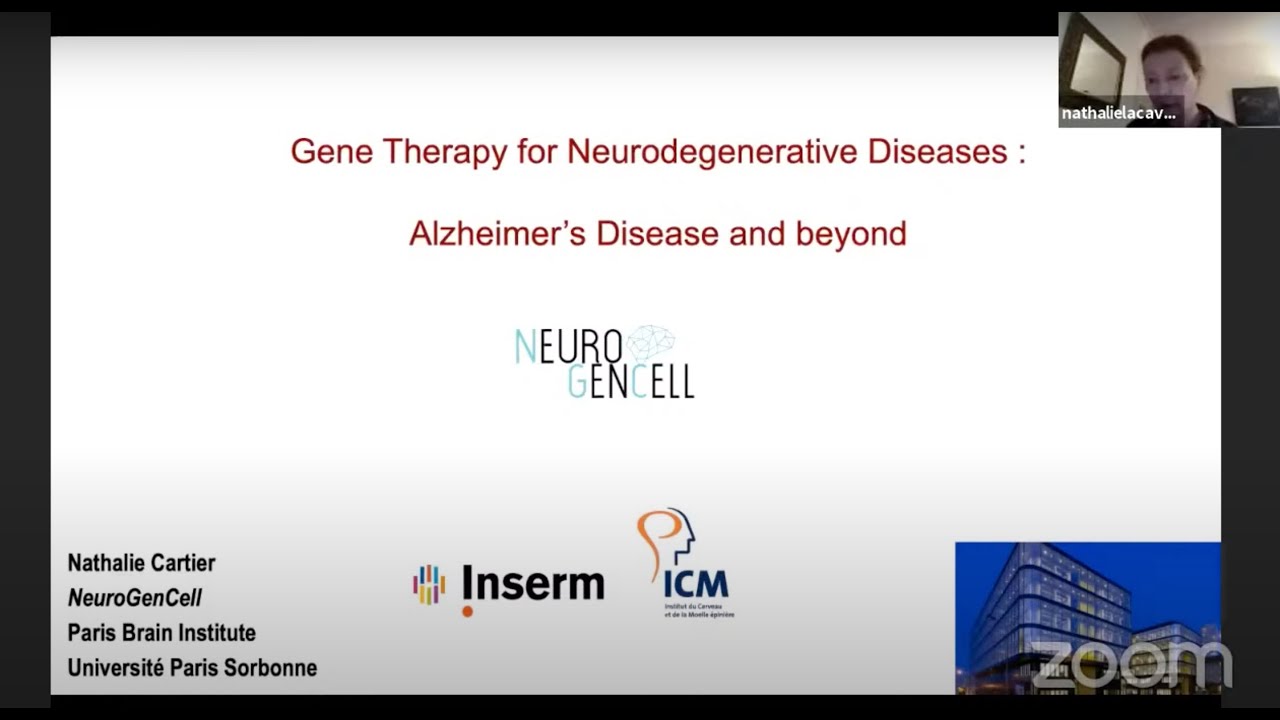
📺 Today’s recommended deep-dive video: https://www.youtube.com/watch?v=xX2K5Hjv-9s
Rewiring the Brain: Gene Therapy Strategies for Neurodegeneration
For decades, neurodegenerative diseases like Alzheimer’s and Huntington’s were considered irreversible declines of the human mind. Recent breakthroughs in gene therapy are challenging this narrative by targeting the brain’s unique metabolic pathways to halt cellular death at its source.
Core Question: Can modulating brain cholesterol metabolism through viral vector delivery provide a universal therapeutic key for diverse neurodegenerative disorders?
Highlights
- Adeno-associated virus (AAV) vectors, particularly the RH10 stereotype, have emerged as the gold standard for safe, long-term gene delivery to the central nervous system.
- The enzyme CYP46A1 is a critical metabolic regulator that clears toxic cholesterol and restores the cell’s internal recycling mechanism, known as autophagy.
- Successful preclinical trials in Alzheimer’s and Huntington’s models demonstrate that restoring metabolic balance can repair synaptic function and recover lost memory.
- The future of CNS therapy relies on early intervention and the development of next-generation capsids capable of crossing the blood-brain barrier via simple intravenous injection.
⏱️ Reading time: approx. 7 minutes · Saves you about 48 minutes vs. watching.
Want to take notes while watching? Click the image below and let AI Notebook capture the key points for you 👇

Overcoming the Blood-Brain Barrier
The Logistics of CNS Gene Delivery
The central nervous system presents a unique challenge for clinicians because it is a complex, compartmentalized organ shielded by the blood-brain barrier (BBB). While the BBB protects the brain from toxins and immune surges, it simultaneously blocks most therapeutic viral vectors from entering the tissue through the bloodstream. Consequently, researchers must choose between localized delivery for diseases like Huntington’s—which targets the striatum—and global delivery for widespread conditions like Alzheimer’s or lysosomal storage diseases.
Current clinical strategies primarily utilize Adeno-associated virus (AAV) vectors because they are non-pathogenic and offer diverse “stereotypes” that target specific cell populations.
We can now choose to target neurons specifically using promoters like PGK or focus exclusively on glial cells by utilizing the GFA2 promoter. This precision allows us to tailor the therapy to the specific cellular pathology of the patient, ensuring that the therapeutic gene is expressed only where it is needed most.

💡 Digging Deeper
Q: Why is AAV-RH10 favored over other stereotypes?
A: It demonstrates high neuronal tropism and has a proven safety record in clinical trials for rare diseases like Metachromatic Leukodystrophy.
Q: Can these vectors integrate into the patient’s DNA?
A: Unlike lentiviral vectors used in ex vivo therapy, AAVs typically remain episomal (outside the genome), which reduces the risk of insertional mutagenesis in non-dividing neurons.
Q: How long does the therapeutic effect last?
A: Evidence from long-term follow-ups in Canavan disease and Parkinson’s trials suggests that a single injection can maintain therapeutic protein expression for over 15 years.
Restoring Metabolic Balance via CYP46A1
The Cholesterol Engine of the Mind
The human brain represents only 2% of body weight but contains 25% of the body’s total cholesterol, most of which is stored in myelin sheaths and neuronal membranes. Cholesterol is not just structural; it is the bedrock of synaptic signaling and membrane fluidity. When the metabolism of these lipids fails, neurons lose their ability to communicate, eventually triggering the programmed cell death observed in Alzheimer’s disease.
The enzyme CYP46A1 acts as the “drain” for brain cholesterol, converting it into 24-hydroxycholesterol so it can exit the brain and enter the peripheral circulation.
Our research indicates that in Alzheimer’s patients, this enzyme is significantly depleted. By using gene therapy to replace this missing enzyme, we aren’t just treating a symptom; we are restarting a stalled metabolic engine. This restoration has been shown to decrease amyloid plaques and, perhaps more importantly, repair the dendritic spines that allow neurons to form new memories.

💡 Digging Deeper
Q: Is Alzheimer’s strictly caused by amyloid plaques?
A: No, the disease is multifactorial; our research shows that metabolic failure and impaired autophagy (cellular cleaning) often precede and exacerbate plaque formation.
Q: What happened when CYP46A1 was inhibited in healthy models?
A: The models quickly developed hippocampal atrophy, memory defects, and increased amyloid production, mimicking the progression of Alzheimer’s.
Q: Does the enzyme work outside the cell?
A: No, CYP46A1 is an intracellular protein, which means the viral vector must reach as many individual neurons as possible to achieve a significant therapeutic effect.
A Unified Approach to Neurodegeneration
From Huntington’s to Rare Ataxias
One of the most promising aspects of targeting cholesterol metabolism is its potential as a “universal” therapy for various misfolded protein diseases. In Huntington’s disease, the accumulation of mutated huntingtin protein creates a toxic loop that disrupts cholesterol balance and transcription. By overexpressing CYP46A1 in the striatum, we have successfully cleared these toxic aggregates and preserved neuronal health in preclinical models.
This strategy effectively breaks the cycle of degeneration by restoring the cell’s natural clearance pathways, such as the proteasome and autophagy systems.
We observed similar success in models of Spinocerebellar Ataxia type 3 (SCA3). Even though these are distinct genetic disorders, they share a common failure in cellular “trash disposal.” By improving the cholesterol pathway, we provide the cell with the tools it needs to clear out polyglutamine aggregates, regardless of the specific protein involved. This offers a ray of hope for treating ultra-rare diseases where developing a custom gene-silencing tool for every mutation is economically impossible.

💡 Digging Deeper
Q: Does this therapy affect the healthy version of the huntingtin protein?
A: Interestingly, the therapy specifically reduces the mutated, aggregated form while preserving the normal protein levels necessary for cell function.
Q: What is the primary mechanism of protein clearance here?
A: The restoration of the cholesterol pathway normalizes the maturation of autofagosomes, which are the vesicles responsible for degrading toxic debris.
Q: Is this ready for human trials?
A: Yes, a clinical trial for Huntington’s disease using AAV-delivered CYP46A1 is currently in preparation, sponsored by Asklepios BioPharmaceutical.
Key Takeaways
Gene therapy for the central nervous system has moved from the realm of science fiction to clinical reality. The safety of direct brain injections has been established through decades of pioneering work in rare pediatric diseases, proving that long-term expression of therapeutic proteins is achievable without significant adverse effects. The focus has now shifted toward identifying metabolic “hubs”—like the cholesterol pathway—that can be targeted to treat both rare genetic conditions and complex, multifactorial diseases like Alzheimer’s.
The success of future treatments hinges on two main factors: timing and technology. We must treat patients as early as possible, before the massive loss of neurons makes recovery impossible. Simultaneously, we need to continue refining our “toolbox,” developing better viral capsids that can be delivered intravenously and scaling up manufacturing to make these life-saving treatments affordable and accessible to the global population.
Q&A
Q1: What specific viral stereotype was used in the Alzheimer’s and Huntington’s studies?
A: The research primarily utilized AAV-RH10, which was selected for its excellent distribution within the CNS and its established safety profile in previous clinical trials for lodistrophies.
Q2: Will patients require multiple doses of gene therapy over their lifetime?
A: Ideally, gene therapy is a one-time treatment. Because neurons do not divide frequently, the viral vector remains active within the cells for many years, potentially providing a lifetime of therapeutic protein expression.
Q3: Is immune suppression required during the administration of the vector?
A: The brain is somewhat “immuno-privileged,” but the risk of immune response to the viral capsid or the new protein is still a concern. Whether or not to use immunosuppressants is currently decided on a case-by-case basis depending on the delivery route and the patient’s genetic profile.
Q4: Could overexpressing the CYP46A1 enzyme in the liver cause side effects?
A: Preclinical studies using high-dose intravenous delivery showed no adverse effects on liver function or peripheral cholesterol levels, as liver cells already possess similar hydroxylase enzymes to manage their own metabolic needs.
Q5: How can we measure if the therapy is working without doing a brain biopsy?
A: Researchers are developing a suite of biomarkers, including measuring 24-hydroxycholesterol in the blood, using MRI spectroscopy to check brain metabolites, and monitoring neurofilament light chain (NfL) levels as a sign of stabilized axonal health.
Q6: Why is early treatment so critical for neurodegenerative diseases?
A: By the time clinical symptoms like memory loss or motor dysfunction appear, a significant percentage of neurons have already died. Gene therapy is currently a neuroprotective strategy meant to save existing cells, not a regenerative one to regrow lost tissue.
Q7: Can this approach be used for glial cell diseases?
A: Yes, by swapping the promoter in the gene cassette, the same AAV vector can be redirected to express therapeutic proteins specifically in astrocytes or microglia, which are increasingly recognized as key players in neuroinflammation.