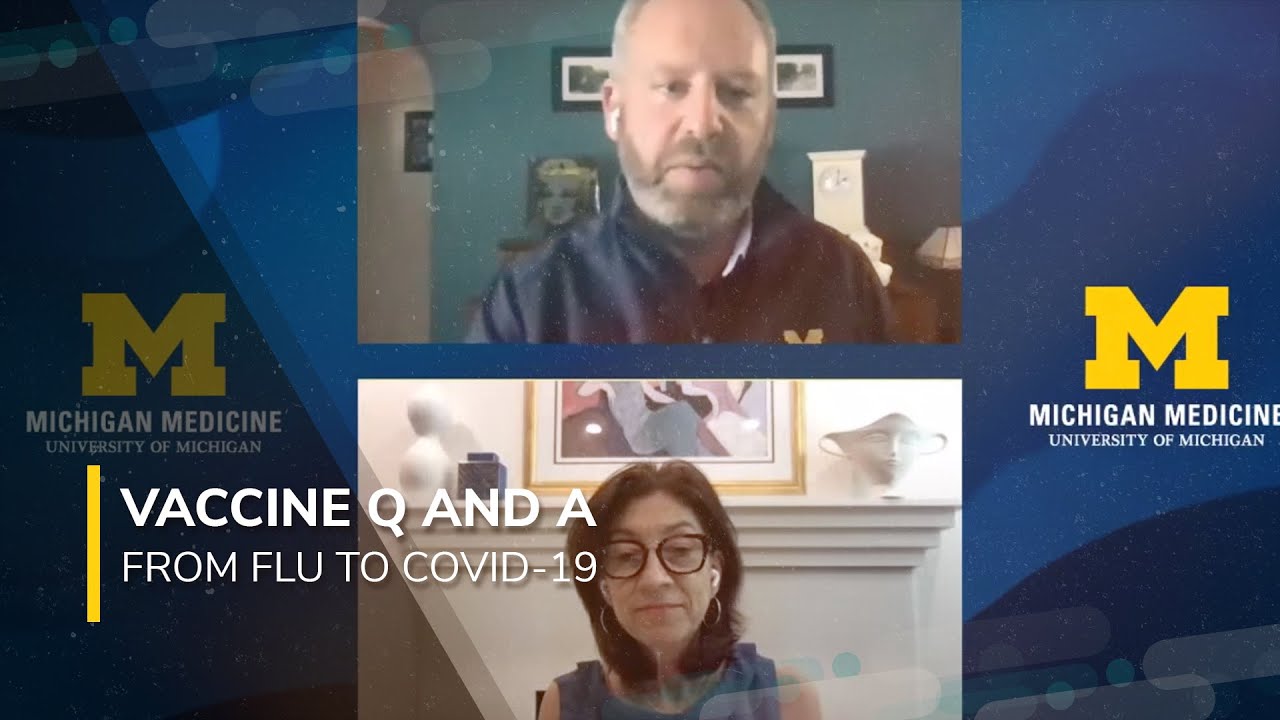
📺 Today’s recommended deep-dive video: https://www.youtube.com/watch?v=_w67nSMLp7o
Shielding the Public: Navigating the Intersection of COVID-19 and Flu Season
As the world grapples with the ongoing pandemic, the convergence of the annual influenza season and COVID-19 presents a historic challenge to global healthcare systems. Dr. Pamela Rockwell of Michigan Medicine breaks down the science of vaccines, the rigorous safety protocols behind their development, and why collective immunity is our only path back to normalcy.
Core Question: How do vaccines leverage our immune systems to protect society from the dual threat of influenza and COVID-19?
Highlights
- Vaccines function by “tricking” the immune system into preparing a defense without causing actual illness.
- Herd immunity requires approximately 70% of the population to be immune before social distancing can truly end.
- The 2020 flu shot is more critical than ever to prevent hospitals from being overwhelmed by simultaneous outbreaks.
- Modern vaccine technology allows for significantly fewer antigens than older shots, making them safer for infants.
⏱️ Reading time: approx. 8 minutes · Saves you about 52 minutes vs. watching.
Want to take notes while watching? Click the image below and let AI Notebook capture the key points for you 👇

The Science of Prevention and Safety
How Vaccines Train the Body
Vaccines do not work by making you sick; rather, they stimulate the immune system by mimicking an infection. This process “tricks” the body into mounting a defense against a specific virus or bacteria. Once this immune response is established, the body retains a “memory” of the pathogen, allowing it to react instantly if you are exposed to the real germ in the future.
The safety of these treatments is paramount and verified through extensive vetting.
Modern vaccines have never been safer. Before reaching the public, they undergo rigorous multi-phase clinical trials to monitor for adverse reactions. While minor side effects like a sore arm or low-grade fever are common signs that the immune system is responding, the risk of a serious reaction is statistically minuscule compared to the life-threatening risks of the diseases they prevent.

💡 Digging Deeper
Q: Can the flu vaccine give me the flu?
A: No. The vaccine contains an inactive form of the virus that cannot cause illness. If someone gets sick shortly after a shot, they were likely exposed to the virus before the vaccine had two weeks to become fully effective.
Q: Are vaccines still made in chicken eggs?
A: Some, like certain flu vaccines, still use egg-based technology, but newer COVID-19 candidates use different methods that allow for much faster production.
Q: Is it safe to visit a clinic during the pandemic for a shot?
A: Yes. Healthcare facilities are following strict CDC guidelines, including social distancing and separate clinics for well-patient immunizations, to ensure safety.
The Critical Importance of the Annual Flu Shot
Preventing a Healthcare “Twindemic”
There is a profound urgency to receive the influenza vaccine this year. If the healthcare system is forced to manage a severe flu season alongside the COVID-19 pandemic, hospitals may reach a breaking point where they can no longer provide adequate care for all patients.
A flu shot is your primary defense against a double infection.
Being infected with both influenza and COVID-19 simultaneously would be devastating to an individual’s respiratory system. Furthermore, every flu patient who avoids hospitalization because of a vaccine leaves a bed open for a COVID-19 patient who needs it. This year, the recommendation is to get the flu shot as early as possible—ideally by September—rather than waiting for late autumn.

💡 Digging Deeper
Q: Why do I need a flu shot every year?
A: The flu virus mutates rapidly, requiring scientists to update the vaccine formula annually to match the circulating strains.
Q: Is the flu vaccine less effective for people over 65?
A: Immunity naturally wanes with age, which is why a high-dose flu vaccine is specifically recommended for seniors to provide a stronger immune response.
The Path to COVID-19 Recovery
The Reality of Herd Immunity
We will eventually return to a life without masks and social distancing, but it will not happen overnight. Even after a vaccine is approved, it will take significant time to manufacture and distribute it to enough people to achieve herd immunity. Experts estimate that at least 70% of the population must be immune to stop the virus from spreading effectively.
Vaccine distribution will likely follow a tiered, risk-based priority system.
Frontline healthcare workers and high-risk individuals with underlying conditions will be at the top of the list for the initial rollout. Healthy children and adults will follow. While this rollout occurs, it is vital to maintain secondary health measures like Vitamin D supplementation—which can help immune health—and continued mask-wearing to protect those who haven’t yet been vaccinated.

💡 Digging Deeper
Q: When will the COVID-19 vaccine be ready for the general public?
A: While trials are moving fast, it may be a full year from the start of the pandemic before the vaccine is widely available to the average person.
Q: Will we need a COVID-19 booster every year?
A: This is currently unknown. Because COVID-19 is a “novel” virus, scientists are still studying how quickly it mutates and how long the vaccine’s protection will last.
Key Takeaways
Vaccines remain the most effective tool in our public health arsenal for preventing mass mortality and the collapse of our medical infrastructure. By mimicking pathogens, they prepare our bodies for battle without the risks of the actual disease. The rigorous safety protocols managed by the FDA and CDC ensure that by the time a vaccine is recommended, its benefits far outweigh its potential side effects.
The 2020 flu season is a unique turning point. Taking the flu vaccine is no longer just a personal health choice; it is an act of community service that protects hospital capacity for those fighting COVID-19. Collective participation is the only way to achieve the 70% herd immunity threshold required to reclaim our normal lives.
While waiting for a vaccine, individual health matters. Maintaining adequate Vitamin D levels, exercising, and managing stress are helpful ways to keep your immune system resilient. However, these are supplements to—not replacements for—the specific, targeted protection that only a vaccine can provide.
Q&A
Q1: How many antigens are infants exposed to in a modern vaccine schedule?
A: Despite receiving more shots than previous generations, modern technology is so refined that children receive significantly fewer antigens today. In a single day of normal activity, a child is exposed to 2,000 to 6,000 environmental antigens; a typical round of infant shots contains only about 50.
Q2: Will the COVID-19 vaccine be safe even though it is “fast-tracked”?
A: Yes. The speed is primarily a result of unprecedented global funding and the removal of administrative delays, not the cutting of safety corners. Phase 3 trials involving 30,000+ volunteers are specifically designed to catch safety issues before public release.
Q3: Can I take Vitamin D to prevent COVID-19?
A: Vitamin D is not a replacement for a vaccine, but data suggests that people with low levels of Vitamin D may have worse outcomes if they contract the virus. Supplementing with 1,000 to 2,000 IU daily is a safe way to support general immune health.
Q4: Does an egg allergy prevent me from getting a flu shot?
A: Generally, no. Most people with egg allergies can safely receive the flu vaccine. However, those with severe anaphylactic reactions should receive their shot in a medical setting where they can be monitored.
Q5: Who decides if a vaccine is recommended for the public?
A: The FDA handles the initial safety and licensing, but the Advisory Committee on Immunization Practices (ACIP)—a 15-member panel of experts—votes on whether the vaccine should be recommended to the general public based on efficacy and cost.
Q6: If I’m healthy and low-risk, why should I get vaccinated?
A: Vaccination is about more than your individual risk; it’s about stopping the chain of transmission. Low-risk individuals can act as vectors that carry the virus to vulnerable family members, like grandparents or those undergoing chemotherapy, who cannot mount a strong immune response themselves.
Q7: Will I need to be tested for COVID-19 before getting the vaccine?
A: In clinical trials, participants are tested for active infection and antibodies to ensure the data is accurate. For the general public rollout, these protocols will be finalized as we learn more about whether previous infection confers long-term immunity.