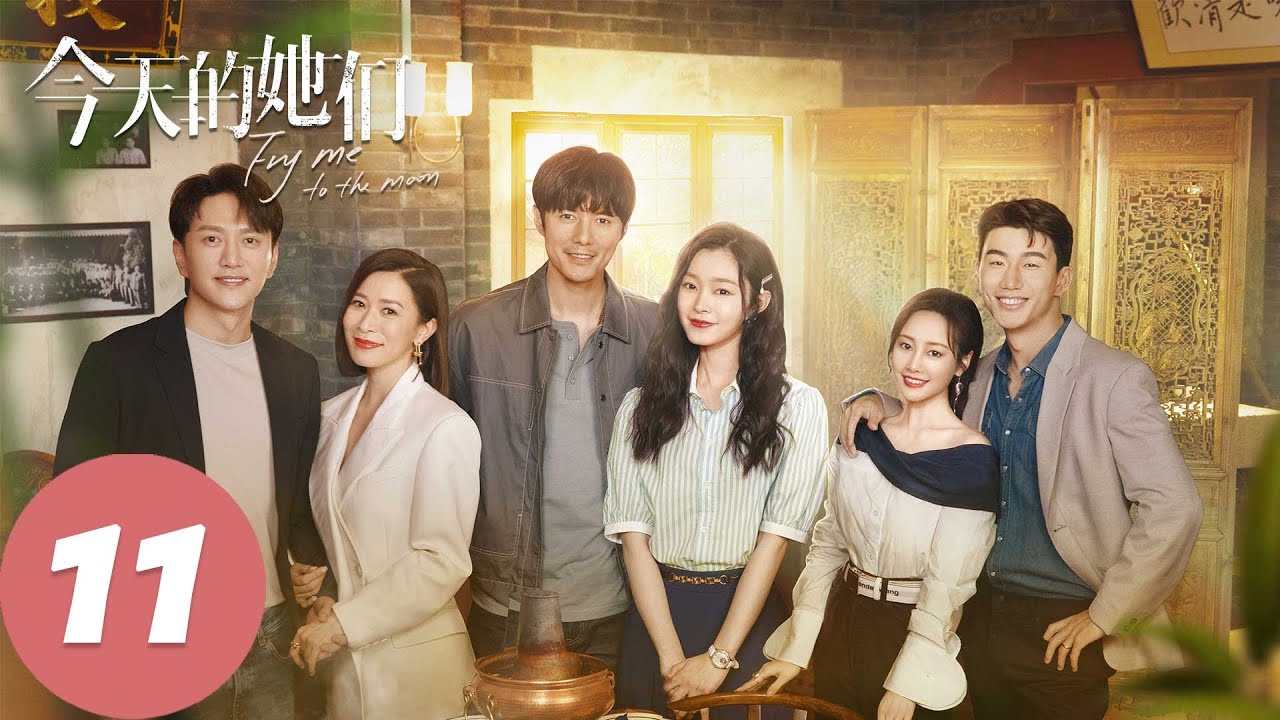
📺 Today’s recommended deep-dive video: https://www.youtube.com/watch?v=vfn1Eqbn_Is
The Soul of Mapo Tofu: Legacy vs. Corporate Leverage
As corporate giants circle Chuanbai House, the Gu family finds themselves fighting a war on two fronts: the modernization of their kitchen and the cold calculations of predatory acquisition. In a world where premium ingredients and takeout apps rule, can a humble plate of tradition still hold the power to save a family legacy?
Core Question: How does a traditional culinary institution survive when corporate interests weaponize both real estate and personal relationships?
Highlights
- Master Gu passes the symbolic torch to Chen Dong during a final, poignant market visit.
- Corporate shark Liang Qingran uses real estate manipulation to force a “generous” acquisition.
- The landlord’s loyalty is tested by his son’s greed, leading to a dramatic showdown over a bowl of tofu.
- Gu Manting takes extreme measures, selling her luxury goods to fund the restaurant’s survival.
⏱️ Reading time: approx. 4 minutes · Saves you about 40 minutes vs. watching.
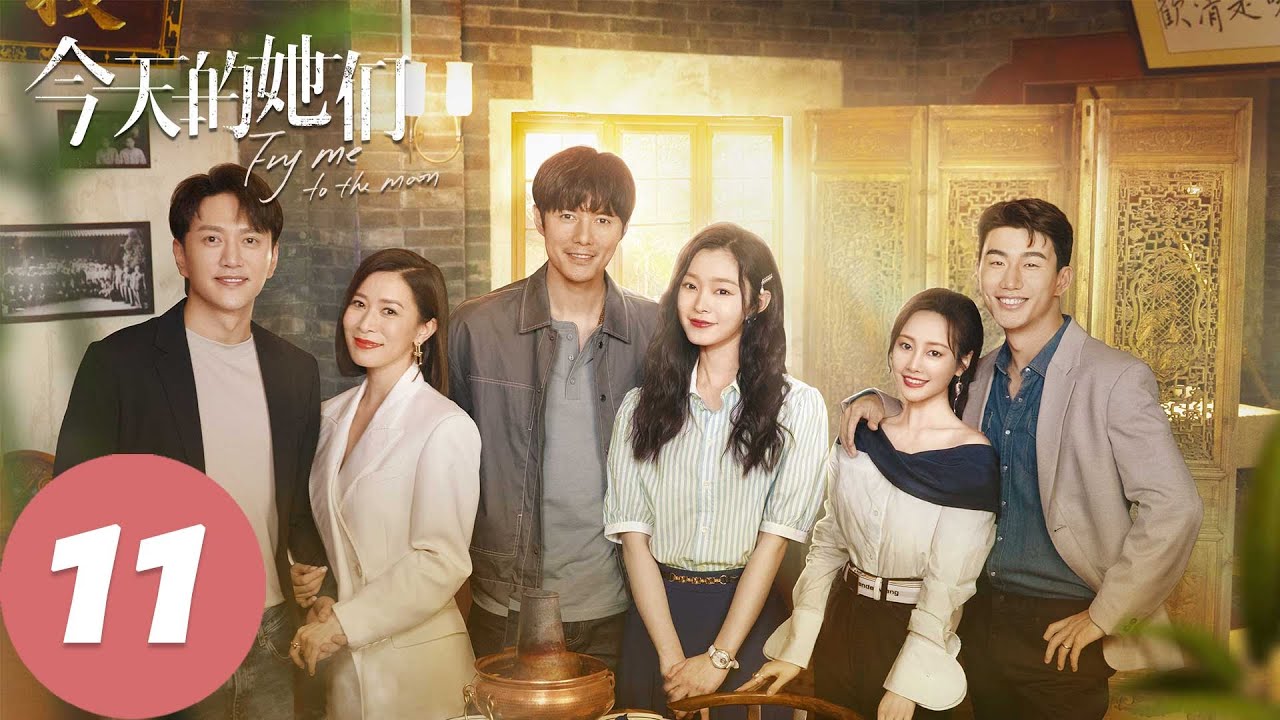
Want to take notes while watching? Click the image below and let AI Notebook capture the key points for you 👇

The Passing of the Cleaver
Market Wisdom and the Chef’s “Rizz”
Master Gu takes his last walk through the wet market, emphasizing that a chef’s authority comes from the confidence of owning the ingredients you buy. It’s a bittersweet moment where the physical toll of a lifetime in the kitchen finally catches up with the legendary chef.
He gifts Chen Dong his necklace, a symbolic passing of the baton that signifies the end of one era and the uncertain beginning of another.
The philosophy of Chuanbai House is rooted in a morality that defies modern profit margins, where ingredients are chosen not for their cost but for their character. Master Gu insists that charging exorbitant prices for mediocre food ruins the “karma” of the dish, a concept that seems alien to the corporate sharks circling their restaurant. While the world demands wagyu and lobster, the Master remains steadfast in the belief that a simple onion or a perfect bitter melon holds more truth than luxury.

💡 Digging Deeper
Q: Why does Master Gu refuse to use “upscale” ingredients like lobster or wagyu?
A: He believes that true culinary art lies in transforming ordinary ingredients into extraordinary treats, and that luxury ingredients often mask a lack of skill or heart.
Q: What is the significance of the “necklace” handed to Chen Dong?
A: It represents the transfer of responsibility and the “rizz” (confidence) required to lead a kitchen and face the market with authority.
Q: How does Chen Dong feel about the modernization of the restaurant?
A: He is a purist who believes that takeout ruins the temperature and texture of the food, making him a roadblock to the digital expansion Lu Zhenzhen desires.
The Corporate Siege of Chuanbai House
Real Estate as a Weapon
Liang Qingran and her associate Liu Siyuan are no longer just asking to buy; they are forcing a surrender by acquiring all neighboring properties. By isolating Chuanbai House and pressuring the landlord’s son to triple the rent, they create an environment where staying becomes a financial impossibility for the Gu family.
The “generous” three-million-yuan offer is a velvet glove over an iron fist.
This maneuver reveals the cold reality of urban development where century-old brands are viewed merely as assets to be optimized or liquidated. Liu Siyuan’s involvement is particularly treacherous, as he balances his professional duty to destroy the restaurant’s independence with his personal connection to Lu Zhenzhen, creating a web of deception that threatens to shatter their relationship.
Redemption in a Bowl of Tofu
The Landlord’s Ultimatum
When the situation looks bleakest, the fate of the restaurant hinges on Mr. Guo, an old-school landlord who values friendship over the aggressive rent hikes proposed by his son. His return to the restaurant serves as a litmus test for the new generation: can Chen Dong’s cooking match the soul of Master Gu’s legendary Mapo Tofu?
A single bite proves that the spirit of the restaurant remains intact.
Mr. Guo’s decision to side with tradition over his son’s greed provides a temporary reprieve, but it comes with a warning that the “flow” of the world is changing. To support the cause, Gu Manting holds a “clearance sale” of her luxury bags, sacrificing her personal status symbols to provide the liquidity needed to keep the doors open. This act of desperation highlights the extreme stakes the family is facing as they realize that passion alone cannot pay the bills.

Key Takeaways
The survival of Chuanbai House is not just about cooking; it is a battle between emotional legacy and clinical efficiency. While the corporate world views the restaurant as a brand to be “professionalized,” the Gu family views it as a living entity that requires a moral compass to function.
The episode underscores that loyalty—whether between a master and apprentice or a landlord and a chef—is the only currency that corporate interests cannot easily manipulate. However, this loyalty is under constant siege by the realities of modern debt and real estate dynamics.
Ultimately, the clash between Lu Zhenzhen’s desire for modernization and Chen Dong’s traditionalist stance suggests that the restaurant must find a middle ground. Without evolving, they risk bankruptcy; without their soul, they risk becoming just another generic chain under the Zhongting umbrella.
Q&A
Q1: Why is the landlord’s son trying to reclaim the house?
A1: He is being incentivized by Zhongting (Liang Qingran’s company), which has offered three times the current rent and is using renovation noise to drive the Gu family out.
Q2: What is Liu Siyuan’s secret role in the acquisition?
A2: He is working behind the scenes to inflate the restaurant’s valuation through high turnover, making it impossible for the family to buy back their own shares or remain independent.
Q3: How does Master Gu react to the pressure to sell?
A3: He remains defiant, stating that once a person focuses only on money, the world becomes “dull” and food loses its taste.
Q4: What is the “Past and Present of Beans” dish?
A4: It is an innovation by Chen Dong that uses simple ingredients (tofu, beans, and tofu pudding) to prove that ordinary food can be high-end through technique rather than cost.
Q5: Why does Lu Zhenzhen want to divorce Xu Hao?
A5: It is a strategic move; she wants to sell her assets to save the restaurant, and she believes a divorce will allow her to act recklessly without dragging him into her financial ruin.
Q6: How does Liang Qingran justify her aggressive tactics?
A6: She views herself as a savior who provides professional management and investment to “perishing” brands that cannot survive the modern economy on their own.
Q7: Does Mr. Guo accept the breach of contract penalty?
A7: No, he values the decades of friendship and the consistent quality of the food over the financial penalties, eventually signing a new contract with the Gu family.