📺 Today’s recommended deep-dive video: https://www.youtube.com/watch?v=7VxeyTfhBM8
Finding the Signal in the Noise: A Masterclass in Underestimation
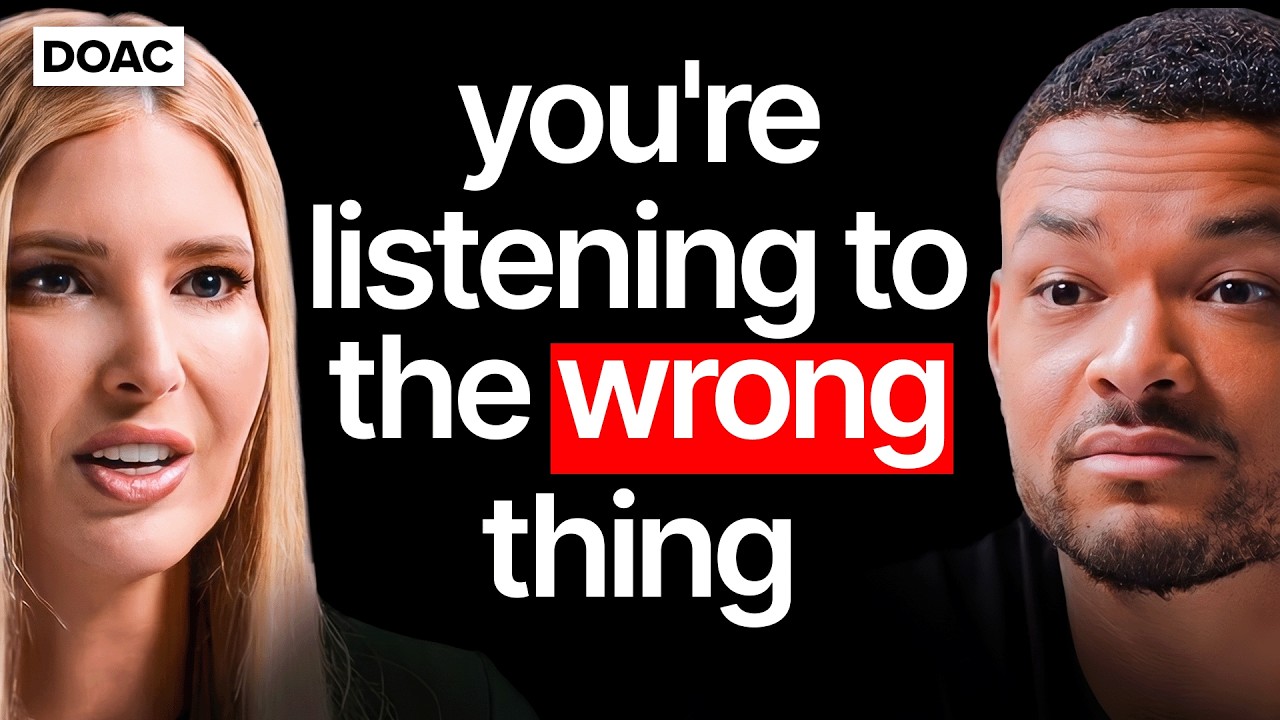
Ivanka Trump has navigated a life of extreme privilege and unprecedented scrutiny, moving from the boardrooms of New York real estate to the corridors of the White House. In this rare long-form conversation, she reveals the stoic philosophy and internal discipline required to maintain a sense of self when the world is “clawing” to define you.
Core Question: How can an individual cultivate the internal peace and strategic discipline necessary to thrive in the eye of a global media and political hurricane?
Highlights
- The strategic power of being underestimated in high-stakes negotiations and male-dominated industries.
- Why Ivanka chose to shutter an $800 million annual fashion empire to pursue government service.
- The “Eagle and the Crow” metaphor: a framework for dealing with public criticism and “noise.”
- Why she is prioritizing her children over returning to the political arena for the 2024 campaign.
⏱️ Reading time: approx. 9 minutes · Saves you about 87 minutes vs. watching.
Want to take notes while watching? Click the image below and let AI Notebook capture the key points for you 👇

The Power of Perspective and Early Impressions
Growing Up Underestimated
Being the child of famous, accomplished parents often leads observers to assume a lack of genuine ambition or preparedness.
Ivanka argues that being underestimated is actually a strategic advantage because it places the burden of proof on the observer while allowing the actor to operate with the element of surprise. She highlights how her mother, Ivana, balanced the boardroom with a glamorous, nurturing home life, teaching her that discipline and sport are the foundations of a resilient character. This upbringing taught her that when people assume you are “phoning it in,” they stop doing their own homework, leaving them vulnerable to an over-prepared opponent.
Her grandmother, “Bubby,” provided the emotional anchor of her childhood, offering unconditional love through simple acts like doing laundry and constant feeding. These moments of quiet, domestic stability stood in stark contrast to the aggressive media attention that defined her formative years in Manhattan.
💡 Digging Deeper
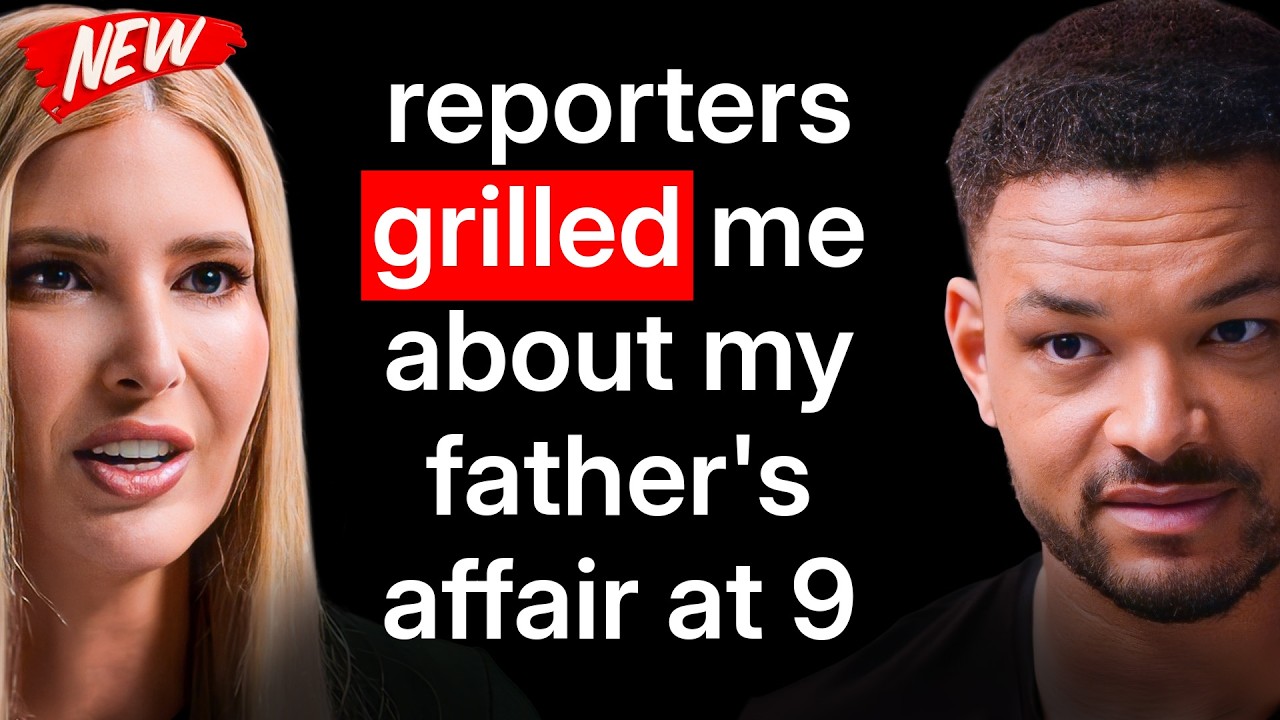
Q: How did Ivanka handle reporters shouting about her parents’ divorce when she was nine?
A: She viewed her home as a “safe place” and learned early on to create defense mechanisms, though she eventually had to “unlearn” some of that distrust to find deeper human connections.
Q: What was the primary lesson she learned from her father’s phone calls?
A: That she was always a priority; even in meetings with world leaders, he would put her on speakerphone to brag about her grades, reinforcing her sense of value.
Q: Why does she value her mother’s “trailblazer” status?
A: Because Ivana showed it was possible to be a “lioness” for her children while doggedly pursuing professional goals in 5-inch heels on construction sites.
Navigating the Eye of the Hurricane
Stoicism in the Political Arena
Moving from a successful business career into the White House was a “fire hose” experience that required a radical internal shift toward emotional compartmentalization.
Ivanka explains that power, much like money, simply amplifies a person’s existing traits, making the clarity of one’s own identity the only defense against the “dark world” of modern politics. She relies heavily on the meditations of Marcus Aurelius, believing that the soul becomes “dyed the color of its thoughts.” This mindset allowed her to focus on policy wins—like the Child Tax Credit and human trafficking legislation—while ignoring the “cheap shots” of the public arena.
She adopts the “Eagle and the Crow” metaphor to describe her approach to conflict.
The crow is the only bird that will sit on an eagle’s back and peck at its neck, but the eagle doesn’t fight back; it simply flies higher. As the eagle ascends, the crow eventually falls off because it cannot sustain the altitude or the lack of oxygen. Ivanka uses this to explain why she refuses to “punch back” at critics, choosing instead to focus on work that elevates her soul and serves her family.

💡 Digging Deeper
Q: Why did she stop her fashion business despite its $800 million success?
A: Ethics rules prevented her from growing the business or using her image while in government, so she chose to end on a high note rather than let it stagnate.
Q: What is her current stance on returning to politics?
A: She has decided to stay out of the 2024 campaign to prioritize her children, noting that there is a “finite period of time” before they leave home.
Q: How did she react to the 2024 assassination attempt on her father?
A: She saw it on television in real-time and, while horrified, she focused on the “miracle” of his survival rather than dwelling on the trauma or the negativity of the act.
Business, Legacy, and Future Missions
From Fashion to Food Waste
Success in negotiation requires an almost obsessive focus on understanding what the other party truly wants, often discovered through the “weapon” of silence.
Ivanka believes that many deals are won simply by being the best listener in the room, which allows you to give the other side a “win” at very little cost to yourself. She is now applying these skills to “Planet Harvest,” a venture dedicated to reducing food waste at the farm level. This mission-driven project seeks to recover the millions of pounds of produce left to rot in fields because they fail to meet arbitrary “cosmetic specifications” set by retailers.
Entrepreneurship, in her view, is an exercise in resilience where the founder must believe in themselves long before the market does.
She is also heavily involved in investing in AI and robotics, looking for founders who possess a strong sense of “agency” and good judgment. For Ivanka, the next chapter is about building tangible things that uplift communities, whether through real estate development in Albania or fixing the broken American food supply chain.

💡 Digging Deeper
Q: What does she look for when hiring new team members?
A: She prioritizes “agency” and “street smarts” over external badges of success, looking for people with a strong sense of self-start capability.
Q: How does she view the concept of “work-life balance”?
A: She considers it “elusive” and instead strives for a life that aligns with her priorities, accepting that some days will always be out of equilibrium.
Q: What role does therapy play in her life?
A: She uses it as a tool for “internal inventory,” especially after the loss of her mother and her husband’s health scares, to ensure she is processing her life rather than just “being tough.”
Key Takeaways
Ivanka Trump’s transition from a high-profile executive to a political advisor and now a mission-driven investor highlights a consistent theme of internal sovereignty. She argues that if you do not know who you are, the “mob” will decide for you, and that the cost of living a life unaligned with your values is simply “too expensive for the soul.” Her move away from politics is presented not as a retreat, but as a conscious choice to protect the most “finite” resource she has: time with her children.
The conversation underscores the importance of the “long game,” where being underestimated allows for strategic maneuvers and where silence in negotiation becomes a tool for empathy. By focusing on “Planet Harvest” and technology investments, she is attempting to bridge the gap between her real estate roots and a desire for large-scale social impact. Ultimately, her story is one of “flying higher” to let the noise of the world fall away naturally.
Q&A
Q1: Why does Ivanka rarely do interviews?
A: She tends to get “locked in and heads down” on her work, but she enjoys long-form conversations with people she admires to explore ideas more deeply.
Q2: How did her mother’s death change her perspective?
A: It forced her to look at her mother “through the eyes of an adult” rather than just an idolizing child, leading her to appreciate Ivana’s strengths and challenges more fully.
Q3: What was her father’s reaction when she joined the White House?
A: He warned her that people would “come at her hard” and that she was “too young,” which she describes as an “anti-sale” that only made her more determined to serve.
Q4: What is her advice to her daughter, Arabella, about entrepreneurship?
A: She would tell her to find something she loves, to be authentic rather than derivative, and to believe in herself before the world does.
Q5: What is “Planet Harvest”?
A: A venture she co-founded to reduce food waste by connecting farmers with excess, “imperfect” produce to new markets, preventing millions of pounds of food from being tilled back into the earth.
Q6: How does she handle the “darkness” of politics?
A: By focusing on “policy over politics” and finding the “signal in the noise,” refusing to spend her energy on the “nasty swirl” of social media.
Q7: What does she mean by “dancing in the eye of the hurricane”?
A: It refers to her ability to maintain internal peace and joy even when her external circumstances—like a presidential campaign or a trial—are incredibly turbulent.