📺 Today’s recommended deep-dive video: https://www.youtube.com/watch?v=MpnjErVFDsc
Beyond the Streets: Lakewood’s Strategic Roadmap to Ending Homelessness
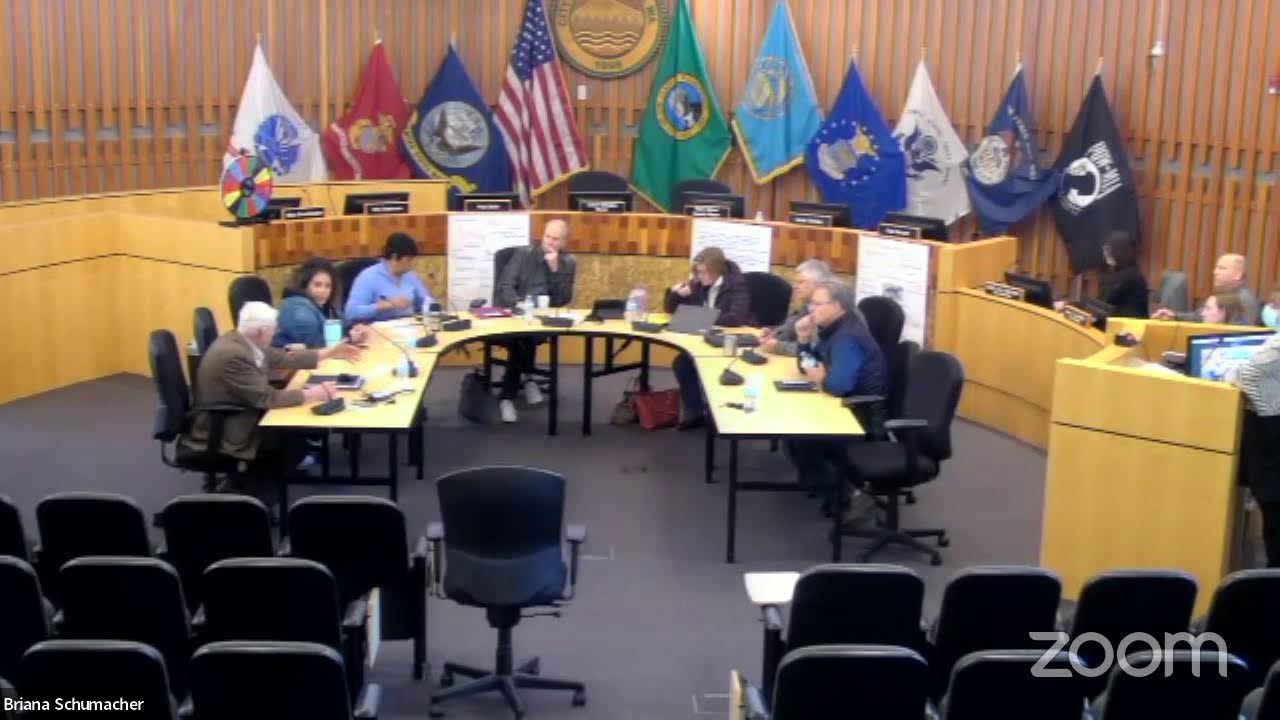
For the first time in its history, the Lakewood City Council convened a dedicated summit to tackle the rising epidemic of homelessness through data-driven policy and regional cooperation. By shifting the perspective from temporary fixes to structural solutions, the city is exploring a multi-tiered approach that balances immediate shelter needs with long-term housing stability.
Core Question: How can the City of Lakewood achieve “functional zero” by integrating prevention, diversion, and intervention strategies within a regional framework?
Highlights
- The “Alligator Mouth” Effect: Data reveals that Pierce County housing prices are rising 3.4 times faster than median household wages, driving working families into precarious living situations.
- The Three Pillars of Action: Future policy will be categorized into Prevention (safety nets), Diversion (keeping people from entering the system), and Intervention (shelters and behavioral health).
- Community First Village: A proposed 15-acre permanent housing model aims to provide chronic homeless individuals with a dignified, tiny-home community focused on social connection.
- The Functional Zero Goal: Success is defined as a system where homelessness is rare, brief, and non-recurring, supported by a unified regional office to coordinate county-wide resources.
⏱️ Reading time: approx. 12 minutes · Saves you about 303 minutes vs. watching.
Want to take notes while watching? Click the image below and let AI Notebook capture the key points for you 👇

The Spectrum of Homelessness
Categorizing the Crisis: Prevention, Diversion, and Intervention
The City of Lakewood recognizes that homelessness is not a monolithic problem but a spectrum requiring distinct strategies. By framing the issue through a three-tiered pyramid, the council aims to move upstream. Prevention focuses on keeping people in their homes before a crisis occurs, while diversion acts as a “just-in-time” intervention for those on the immediate brink of the streets.
Intervention remains the most visible and expensive tier, encompassing emergency shelters and permanent supportive housing for those already unhoused. This category requires the highest level of coordination between law enforcement, behavioral health professionals, and nonprofit providers like the Tacoma Rescue Mission.
Without a balanced investment across all three tiers, the city risks a “peanut butter” approach—spreading resources too thin to move the needle in any single area. Effective policy requires triaging populations to determine whether a household needs a one-time utility payment or years of intensive psychiatric care.

💡 Digging Deeper
Q: What is the primary difference between diversion and intervention?
A: Diversion happens the moment someone is losing their housing, aiming to bypass the shelter system entirely by finding alternative placements. Intervention occurs once someone is already literally homeless.
Q: Is the city’s Behavioral Health Contact Team (BHCT) considered an intervention tool?
A: Yes, the BHCT works on the front lines, engaging with individuals in crisis to connect them with services like Aspen Court, often taking years of persistent relationship-building to succeed.
Q: Why is “Functional Zero” the goal instead of simply “Zero”?
A: Functional zero acknowledges that people will always enter the system due to unforeseen crises, but ensures the city has enough capacity to house them immediately so the experience is brief.
The Economic Engine of Instability
The “Alligator Mouth” and the Wage-Rent Gap
Economic data presented to the council highlights a terrifying trend known as the “alligator mouth,” where the blue line of housing costs and the green line of wages continue to pull apart. In Pierce County, a renter must work 1.7 full-time minimum wage jobs just to afford a modest two-bedroom apartment. This gap is the single greatest driver of new entries into homelessness.
Lakewood faces unique demographic challenges, with nearly 60% of residents being renters—a figure significantly higher than the county average. This makes the local population exceptionally vulnerable to market fluctuations and redevelopment-driven evictions.
The shortage of units is equally staggering. Pierce County saw an underproduction of over 13,000 homes in the last decade, leading to a vacancy rate so low that even those with federal housing vouchers often cannot find a place to live. When supply is this restricted, the lowest-income residents are inevitably squeezed out of the market.

💡 Digging Deeper
Q: How does Lakewood’s poverty rate compare to the rest of the county?
A: Lakewood’s poverty rate sits at roughly 16.6%, with a concerning 48% of those in poverty being children under the age of 18.
Q: Are evictions the main cause of student homelessness in the Clover Park School District?
A: Yes, school district data identifies evictions, family crises, and job loss as the top three reasons students lose stable housing.
Q: Why doesn’t building more market-rate housing solve the problem immediately?
A: While increasing supply helps, new construction often replaces low-cost, older units with higher-quality, more expensive housing, which can lead to displacement if not managed with anti-displacement policies.
Innovative Regional Solutions
The Austin Model and the Respite Site Concept
Pierce County is looking toward the “Community First Village” model from Austin, Texas, as a potential breakthrough for the chronically unhoused. This proposed 15-acre development would feature tiny homes and on-site micro-enterprises. Unlike traditional shelters, this model prioritizes the “dignity of home” and the power of social community to keep individuals from returning to the streets.
The Tacoma Rescue Mission is also reimagining its infrastructure to move away from crowded, congregate “sleeping porches.” Their new design utilizes “cubby” style beds with private lockers and charging stations, addressing common complaints about theft and lack of privacy in shelters.
Furthermore, there is a growing need for “respite sites.” These locations would serve individuals who are too sick to be in a shelter but not sick enough to occupy an expensive hospital bed. By partnering with healthcare providers, the city can create a space for recovery that reduces the burden on local emergency rooms.

💡 Digging Deeper
Q: Will the Community First Village be funded by tax dollars?
A: The county has allocated $23.3 million for property acquisition and infrastructure, but the hope is that the private sector and philanthropic groups will fund the ongoing operations and home construction.
Q: Does the Tacoma Rescue Mission accept people who are currently using drugs?
A: They operate a “low-barrier” model, meaning individuals can enter while intoxicated, provided they do not use, sell, or distribute substances on the property or threaten others.
Q: What is “Shelter Plus”?
A: It is a concept where individuals who show progress in emergency shelters are given “carrots,” such as moving into micro-shelters or tiny homes, to bridge the gap toward permanent housing.
The Cost of Inaction
Analyzing the Funding Gap and Indirect Expenditures
The ECONorthwest assessment presented a stark reality: to serve every person currently experiencing homelessness in Pierce County, the system’s funding would need to nearly double. Currently, prevention receives the lion’s share of temporary federal funds, but long-term vouchers and permanent supportive housing face a massive “orange-to-blue” funding disparity.
However, the “cost” of homelessness is already being paid in other ways. Indirect expenditures—including emergency room visits, police patrols, court costs, and encampment cleanups—cost the county between $79 million and $137 million annually. These are “sunk costs” that do nothing to solve the underlying problem.
By shifting these funds toward “Functional Zero” interventions, the city can achieve a better return on investment. While the upfront capital for projects like hotel conversions or new shelters is high, the long-term societal savings in healthcare and justice system costs are significant.

💡 Digging Deeper
Q: What are “benefits cliffs”?
A: These occur when a formerly homeless person finds a job and their income increases slightly, causing them to lose all public assistance before they are truly self-sufficient, often leading back to homelessness.
Q: Is the “housing first” approach still considered the best practice?
A: The data suggests that while housing is essential, “housing alone” is insufficient for the chronic population; they require “permanent supportive housing” which includes 24/7 case management.
Q: How much do the “top 5%” of the most expensive homeless individuals cost the system?
A: Research indicates that the 5% with the most complex needs account for nearly 50% of the total indirect healthcare and justice system costs.
Key Takeaways
The Lakewood City Council retreat underscored that while the city has been proactive in dedicating 1% of its general fund to human services, the sheer scale of the housing crisis requires a more integrated, regional response. The traditional “safety net” is no longer enough to catch the increasing number of families falling through the cracks due to the widening gap between wages and rent. Moving forward, the city must decide whether to continue its current trajectory or take the “lid off” and explore more aggressive interventions like hotel conversions and expanded regional shelter partnerships.
Ultimately, the session highlighted that homelessness is as much a land-use and economic problem as it is a social service issue. By focusing on “Functional Zero,” Lakewood aims to create a system where the path from the street to a front door is clear, rapid, and sustainable. The council’s next steps will involve prioritizing these strategies and identifying specific funding sources, such as ARPA funds, to turn these data-driven insights into reality.
Q&A
Q1: Why doesn’t the city just make everyone go into treatment?
A1: Under current Washington state law, the threshold for involuntary treatment is very high; a person must be an immediate danger to themselves or others, or “gravely disabled.” Most visible homeless individuals do not meet this legal bar.
Q2: Will the new shelters allow people to bring their pets?
A2: Yes, modern shelter models like the Tacoma Rescue Mission’s expansion acknowledge that pets are a primary reason people refuse shelter, so they are designing spaces to accommodate animals.
Q3: How many people in Lakewood are actually unsheltered?
A3: Recent Point-in-Time counts suggest roughly 50 unsheltered individuals and 100 sheltered individuals in Lakewood, though these numbers are considered undercounts.
Q4: Where do the people in Lakewood shelters come from?
A4: Data shows that 87% of people surveyed were still in the same community where they last had a stable home. Most homeless individuals in Lakewood were previously Lakewood residents.
Q5: What is the “Document Recording Fee” and how does it help?
A5: It is a surcharge on legal documents (like home deeds) that stays within the county to fund homeless services. Recent legislative changes have increased this fee, potentially doubling the available local funding.
Q6: Why is there a focus on tiny homes instead of large apartment buildings?
A6: Tiny home villages, like the “Community First” model, are often faster to build and better at creating the “social friction-free” environments that help chronically homeless individuals feel safe and dignified.
Q7: Can we use ARPA (American Rescue Plan Act) funds for these projects?
A7: Yes, the council is actively evaluating using ARPA funds for one-time capital investments, such as helping nonprofits like LASA expand their housing capacity in Lakewood.