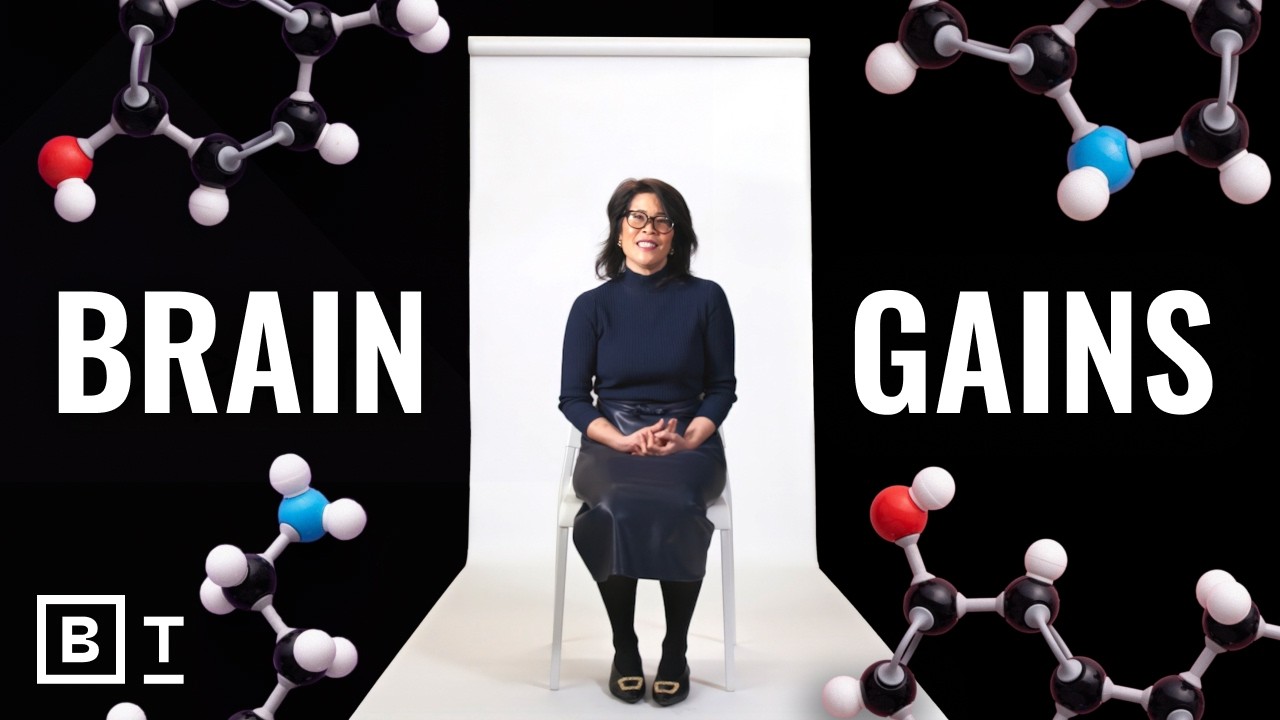
📺 Today’s recommended deep-dive video: https://www.youtube.com/watch?v=8f0U0Nr6s6Q
The Neurobiology of Motion: Sculpting a Stronger Brain Through Exercise
Neuroscience reveals that the brain is not a static organ, but a dynamic landscape that can be physically reshaped through movement and mindset. Dr. Wendy Suzuki, a leading neuroscientist, explains how we can leverage the “neurochemical bubble bath” of exercise and the hidden “superpowers” of anxiety to build cognitive resilience.
Core Question: How can physical activity and a reframed perspective on anxiety optimize our brain health and stave off cognitive decline?
Highlights
- Hippocampal Growth: Aerobic exercise is one of the few ways to stimulate the birth of new brain cells in adulthood.
- The Neurochemical Bubble Bath: Movement releases a potent cocktail of dopamine, serotonin, and endorphins that immediately boost mood and focus.
- The 9-Year Advantage: Long-term fitness can delay the onset of dementia symptoms by nearly a decade.
- Anxiety as a Superpower: Everyday anxiety can be transformed into tools for productivity, empathy, and “micro-flow.”
⏱️ Reading time: approx. 8 minutes · Saves you about 69 minutes vs. watching.
Want to take notes while watching? Click the image below and let AI Notebook capture the key points for you 👇

The Neurochemical Bubble Bath
How Movement Reshapes Anatomy
Neuroscience once believed the adult brain was incapable of generating new neurons, but the hippocampus—the seat of memory—proves this theory wrong. By engaging in aerobic exercise, we release growth factors that act like a watering can, sprouting shiny new cells that enhance our ability to form long-term memories.
This biological transformation is what Suzuki calls making the brain “big, fat, and fluffy,” a defense mechanism against the natural erosion caused by aging.
When you move, your brain is drenched in what Suzuki terms a “neurochemical bubble bath,” a potent cocktail of dopamine, serotonin, noradrenaline, and endorphins. This mixture doesn’t just improve your mood in the short term by reducing anxiety and depression; it actually strengthens the prefrontal cortex, which is responsible for your executive function, focus, and ability to shift attention between complex tasks efficiently.

💡 Digging Deeper
Q: Who was HM and why is he important?
A: Henry Molaison (HM) was a patient who had both hippocampi removed to treat epilepsy; while his seizures stopped, he lost the ability to form any new long-term memories, proving the structure’s essential role in memory.
Q: Is there a “minimum dose” of exercise for brain health?
A: Yes. Research shows that as little as 10 minutes of walking can significantly decrease anxiety and depression while boosting positive mood states.
Q: Does the brain-body connection work both ways?
A: Absolutely. Movement affects the brain’s chemistry, but your thoughts—such as positive affirmations during exercise (intenSati)—can also influence the physical state of your body.
The Exercise Prescription
Timing, Intensity, and the 9-Year Buffer
Determining the “minimum effective dose” for brain health is the holy grail of neurobiology, yet current research offers encouraging news for those who aren’t marathon runners. Studies indicate that just two to three sessions of 45-minute cardiovascular work per week can significantly elevate baseline mood and cognitive function. This regular activity ensures that the benefits aren’t just temporary spikes but rather a new, higher baseline for mental performance.
Interestingly, the more you sweat, the more you gain, as researchers have found that every additional “drop of sweat” correlates with increased brain benefits.
Suzuki advocates for morning workouts because they prime the prefrontal cortex for the workday. It takes about two weeks of “disciplined pain” to adjust your internal clock, but the resulting cognitive clarity and improved reaction times make the transition worthwhile for high-pressure professional environments.

💡 Digging Deeper
Q: Can you exercise too much?
A: Yes. Like most things, exercise follows a U-shaped curve; extreme, obsessive levels of exertion can eventually become a stressor that negatively impacts the brain.
Q: Why are morning workouts better for focus?
A: Exercising first thing in the morning provides a “neurochemical primer” for the prefrontal cortex, enhancing your ability to concentrate and react quickly during the hours you usually work.
Q: What was the result of the Swedish women’s study?
A: A 44-year follow-up study found that women who were highly fit in middle age delayed the onset of dementia by an average of nine years compared to low-fit peers.
Flipping the Script on Anxiety
Transforming Fear into Superpowers
Anxiety is a normal human emotion designed for protection, but we often treat it like a disease to be eradicated rather than a tool to be managed. By applying the principles of brain plasticity, we can “flip the script” and learn to harness the physiological energy of anxiety for positive outcomes.
Suzuki identifies several “superpowers” of anxiety, the most prominent being productivity, which transforms the paralyzing “what-if” list into a concrete to-do list that triggers the evolutionary fight-or-flight response into action. Another is empathy; by recognizing the physical sensation of our own shyness or fear, we become more attuned to others experiencing similar struggles, allowing us to offer support through shared experience and emotional intelligence.
This shift requires an “activist mindset,” where one deliberately chooses to view difficult emotions as opportunities for growth rather than roadblocks.

💡 Digging Deeper
Q: What is the “negativity bias”?
A: It is an evolutionary safety mechanism that makes us more prone to notice negative possibilities than positive ones, helping us avoid danger but often fueling unnecessary anxiety.
Q: How can anxiety lead to “micro-flow”?
A: Micro-flow occurs during moments of stillness or simple tasks; when we have been anxious, the contrast of these calm moments becomes “sweeter” and more restorative.
Q: What is “cognitive flexibility”?
A: It is the ability to look at a situation and see multiple different ways to approach or solve it, rather than sticking to habitual, automatic response patterns.
The Future of Integrated Brain Science
Resilience and Multidisciplinary Health
Skepticism in the scientific community is not a barrier; rather, it is the fuel that drives more rigorous experimentation and multidisciplinary collaboration.
While animal studies provide clear evidence of hippocampal neurogenesis, human results can sometimes appear subtle, leading to debate over the exact impact of cardiovascular health versus movement itself. Suzuki argues that the future of this field lies in an integrated approach that combines cardiology, neuroscience, and even bone science to create a holistic “exercise prescription” tailored to an individual’s gender, genetics, and age.
Ultimately, brain plasticity is the core message of hope, suggesting that even a sedentary person can begin reshaping their cognitive future through small, intentional changes. Whether through 13 minutes of meditation or a brisk walk, the brain remains capable of modification throughout our entire lives.

Key Takeaways
The most transformative thing you can do for your brain today is simply to move. Physical activity doesn’t just improve your heart health; it acts as a biological “watering can” for your hippocampus, fostering the growth of new neurons that protect against aging and dementia. By understanding the neurochemical bubble bath—the surge of dopamine and serotonin—you can use exercise as a strategic tool to improve your mood, focus, and productivity on demand.
Furthermore, we must reframe our relationship with anxiety. Rather than viewing it as a purely negative state, we can use cognitive flexibility to identify the “superpowers” hidden within our worries. Whether it is turning a “what-if” list into a productive to-do list or using our own history of shyness to build deeper empathy for others, anxiety can become a source of wisdom and connection.
Resilience is built through intermittent stress and recovery. Just as rats in “enriched environments” developed thicker brain tissues, humans who engage with the world through movement, learning, and mindful reflection build a “bigger, fatter, and fluffier” brain that is better equipped to handle the challenges of aging.
Q&A
Q1: What is the single most important structure for memory in the brain?
A: The hippocampus, which exists in both the right and left hemispheres, is essential for forming and retaining new long-term memories for facts and events.
Q2: How much exercise do I need to feel a mood boost?
A: Scientific studies show that as little as 10 minutes of walking can improve your mood and decrease levels of anxiety and depression.
Q3: Can meditation provide similar benefits to exercise?
A: Yes. Studies in Dr. Suzuki’s lab found that 13 minutes of daily guided meditation improved mood, decreased anxiety, and enhanced focus, similar to the effects of physical activity.
Q4: What happens to the prefrontal cortex during high stress?
A: During high stress, the amygdala (the brain’s fear center) becomes highly active, while the prefrontal cortex (the center for logic and focus) can actually shut down, making it harder to think clearly.
Q5: Why did Dr. Suzuki switch her research focus from memory to exercise?
A: After years of being a “workaholic” and feeling lethargic, she began exercising and noticed a dramatic improvement in her own memory, focus, and grant-writing ability, which she wanted to validate scientifically.
Q6: What is an “activist mindset” regarding grief and anxiety?
A: It is the realization that behind painful emotions like grief or anxiety often lies something valuable, such as love or a protective instinct, which can be used to find wisdom and strength.
Q7: Does exercise help if I have a family history of dementia?
A: Yes. Building a “bigger and fluffier” hippocampus through exercise creates a cognitive reserve, meaning it will likely take much longer for dementia symptoms to manifest even if the disease is present.