📺 Today’s recommended deep-dive video: https://www.youtube.com/watch?v=oSgZjDkOqVw
Beyond Baby Shark: How Cristina Antón Reclaimed the Dance Floor for Modern Families
For many women, the transition into motherhood often feels like an ultimatum between their professional passions and their new domestic responsibilities. Cristina Antón, a veteran DJ and mother, refused to accept this binary, creating “Party Family” to prove that parents don’t have to trade their vinyl collections for nursery rhymes.
Core Question: How can the “Party Family” concept successfully bridge the gap between adult nightlife culture and responsible parenting?
Highlights
- The origins of “Party Family” as a monthly intergenerational event in Barcelona.
- Balancing the musical preferences of 90s-era parents with the modern demands of their children.
- The “Small Revolution” of maintaining a professional identity and career as a mother in a male-dominated industry.
- Logistics of safe family clubbing, including changing stations, face painting, and inclusive spaces for all ages.
⏱️ Reading time: approx. 6 minutes · Saves you about 32 minutes vs. watching.
Want to take notes while watching? Click the image below and let AI Notebook capture the key points for you 👇

The Revolutionary Beat of Motherhood
Reclaiming Professional Identity
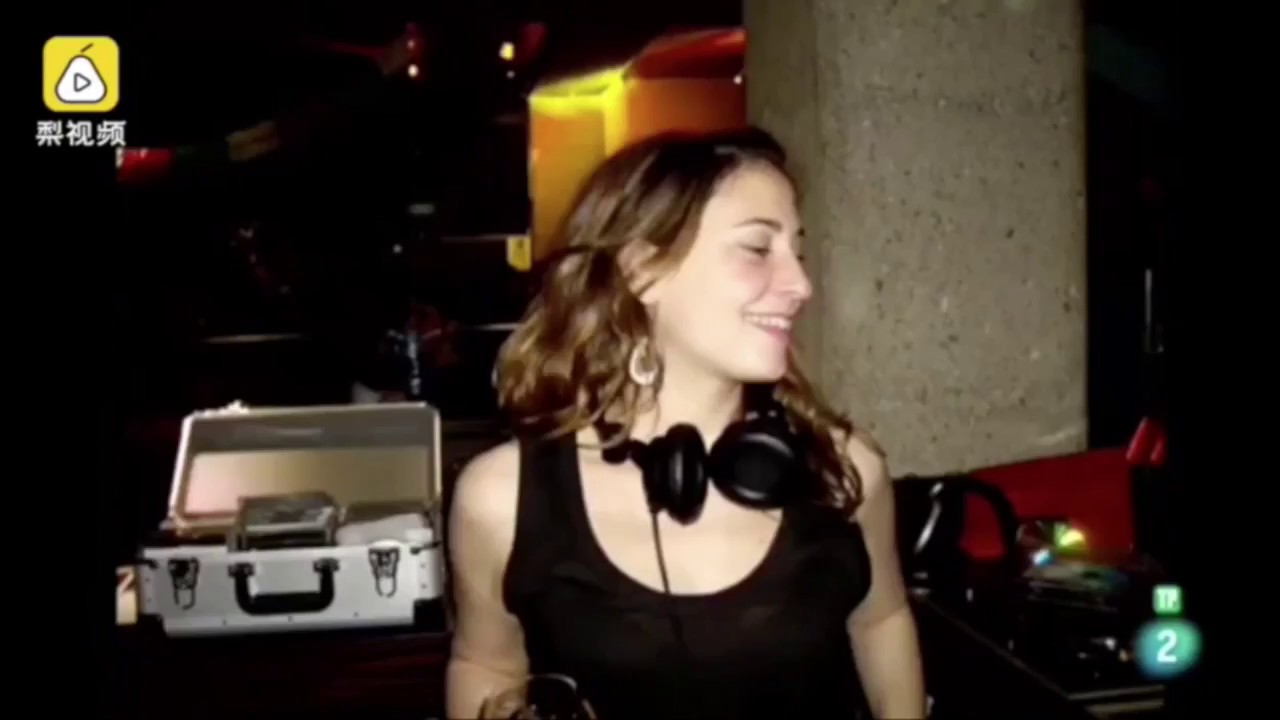
Cristina Antón’s journey didn’t start with family raves; she spent over a decade spinning organic jazz and eclectic sets long before her son was born. She realized quickly that society expects mothers to surrender their dreams entirely to their children, a reality she found both unjust and unnecessary for a fulfilling life.
For Cristina, staying behind the decks is more than just a job; it is an act of resistance against the traditional machismo that still lingers in the workforce. She views her career as a “small revolution,” showing her six-year-old son that a woman can be both a dedicated mother and a professional who follows her creative purpose without apology.
It is a delicate balancing act that involves bringing her son into her workspace, where he often acts as the “boss” of the other children while she manages the crowd. This integration allows her to handle school runs and daily care while simultaneously building a brand that resonates with hundreds of other families seeking the same balance.
Music is the universal thread that holds these two worlds together.

💡 Digging Deeper
Q: Why did Cristina feel the need to start this specific project?
A: She noticed that mothers are often the ones who renounce their passions, and she wanted to prove that childcare and professional dreams are not mutually exclusive.
Q: What was the reaction from her inner circle when she launched “Party Family”?
A: While the concept seemed revolutionary to some, Cristina argued that music is naturally intergenerational and that families have always sought ways to connect through joy.
Q: How does she handle the “mom guilt” often associated with working in nightlife?
A: She bypasses it by turning the “nightlife” into a daytime family event, allowing her to be present for her son’s school life while fulfilling her musical vocation.
Mixing the Generations: The 90s vs. The Now
The Battle of the Playlist
The core of a “Party Family” event is the musical friction between the generations, specifically pitting the nostalgic hits of the 1990s against today’s chart-toppers. The parents, who grew up in the era of Grunge and Eurodance, find a rare opportunity to share their musical heritage with their children in a high-energy environment.
Cristina carefully curates these sessions to ensure that the music isn’t just “noise” but a form of cultural education for the younger attendees. While she admits that she isn’t a fan of the heavy reggaeton the kids often request, she finds a middle ground that keeps the energy high for everyone involved.
The atmosphere is bolstered by 90s paraphernalia, from neon sunglasses to colorful caps, creating a visual bridge to the past.

💡 Digging Deeper
Q: What is the most requested music by the children at these events?
A: The children often ask for current hits and reggaeton, which Cristina balances with her own preference for more “organic” sounds and 90s classics.
Q: Are there specific themes for these parties?
A: Yes, themes vary monthly, including “90s vs. Current,” “Carnival” in February, and “Flower Power” in March.
Q: How do the parents participate beyond just watching their kids?
A: Parents are encouraged to dance and wear 90s-themed accessories like scarves and glasses, making them active participants in the rave.
Logistics of a Family Rave
Creating a Safe Space for All Ages
Organizing a party for toddlers, teenagers, and grandparents requires a significantly different logistical approach than a standard club night. The events feature dedicated areas for face painting, photocolls, and even specific “baby zones” for the youngest guests who might need a quieter space or a diaper change.
These monthly winter sessions in Barcelona provide a vital social outlet during the colder months when outdoor activities are less appealing. Because the venue is tailored for families, there is a pervasive sense of safety that allows parents to relax, even if their child temporarily wanders off to find a friend.
The success of the project is evident in its growth; what started as a niche idea has become a recurring community staple that sells out regularly.

💡 Digging Deeper
Q: How often do these events take place?
A: They occur once a month during the winter season, specifically in venues around Barcelona.
Q: Is there an age limit for the attendees?
A: No, the events are strictly intergenerational, welcoming everyone from eight-month-old babies to grandparents.
Q: What happens during the summer months?
A: The parties typically pause or change format because Barcelona’s warm weather makes indoor family events less popular than outdoor activities.
Key Takeaways
The “Party Family” initiative serves as a powerful case study in how to redesign social spaces to be truly inclusive. By leveraging the universal appeal of music, Cristina Antón has created a venue where the needs of the child and the desires of the parent coexist. This model challenges the idea that having a family means the end of one’s participation in vibrant, energetic social cultures.
Ultimately, the project is about more than just dancing; it is about cultural transmission and the refusal to let motherhood erase individual identity. It proves that with the right logistics and a clear vision, the “dance floor” can be a place of education, connection, and joy for every member of the family, regardless of their age.
Q&A
Q1: What is Cristina’s musical background before starting these family events?
A: She has been a DJ for 12 years, originally specializing in jazz and organic music rather than pure electronic sets.
Q2: How does the “Your Favorite Song” activity work at the party?
A: Children write down their favorite songs on a board, which helps Cristina gauge what the younger generation wants to hear versus the 90s hits the parents love.
Q3: What makes the “Party Family” different from a standard kids’ party?
A: It is designed as a “rave” or clubbing experience with professional lighting and sound, focusing on the connection between parents and children rather than just entertaining the kids.
Q4: How does Cristina view the role of women in the music industry?
A: She sees it as a struggle for equality, noting that women often shoulder the entire burden of childcare and are forced to give up their professional dreams.
Q5: What are some upcoming themes mentioned in the transcript?
A: Upcoming events include a Carnival-themed party on February 17th and a “Flower Power” session on March 17th.
Q6: Is there a specific “baby” area at these events?
A: Yes, there are designated zones for very small babies and even grandparents to ensure everyone is comfortable regardless of their energy level.
Q7: How does Cristina’s son participate in these events?
A: Her six-year-old son attends the parties, invites his friends, and acts as a sort of “leader” among the children, helping him feel part of his mother’s professional world.