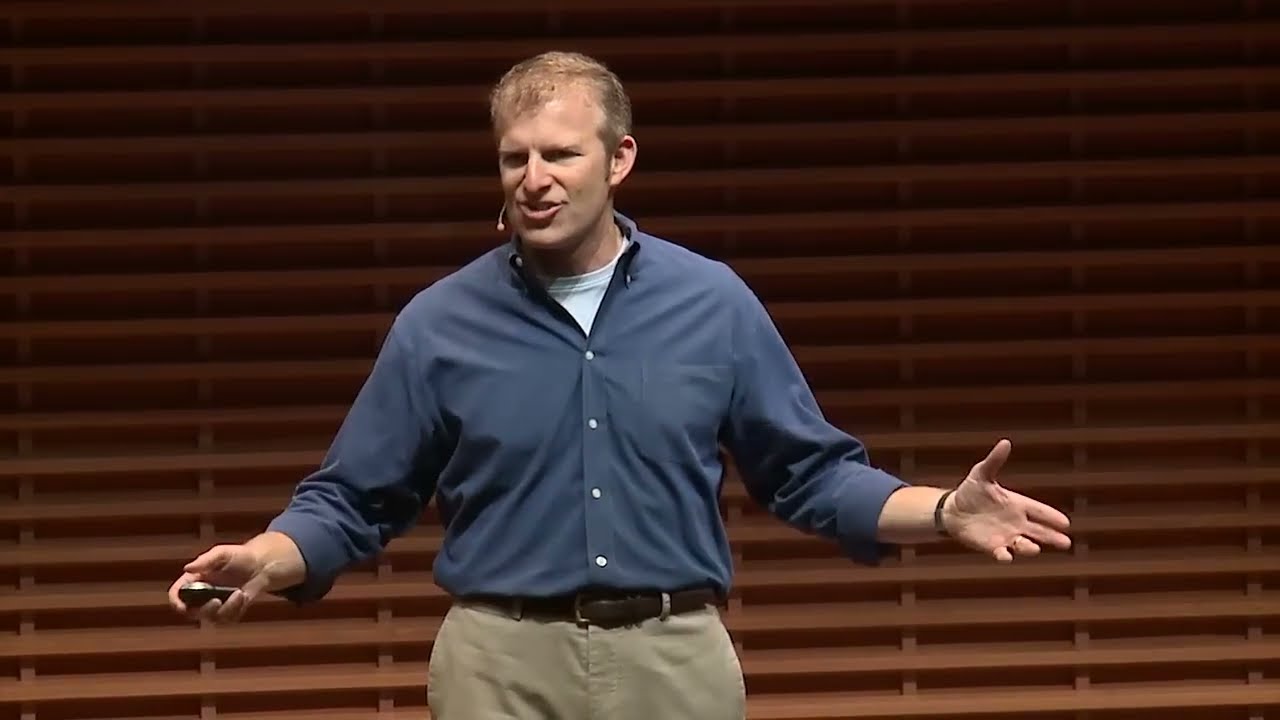
📺 Today’s recommended deep-dive video: https://www.youtube.com/watch?v=HAnw168huqA
Think Fast, Talk Smart: How to Master Spontaneous Speaking
Most public speaking isn’t a rehearsed keynote; it’s the high-stakes cold call, the surprise toast, or the sudden Q&A session. Mastering these moments requires less “performing” and more tactical presence of mind.
Core Question: How can we manage anxiety and leverage structure to communicate effectively when we haven’t had time to prepare?
Highlights
- Anxiety management through “greeting” your nerves rather than fighting them.
- The “Dare to be Dull” mindset to bypass the pressure of perfection.
- Reframing challenges as opportunities to co-create with your audience.
- Utilising robust templates like “What? So What? Now What?” to organise thoughts instantly.
⏱️ Reading time: approx. 10 minutes · Saves you about 48 minutes vs. watching.
Want to take notes while watching? Click the image below and let AI Notebook capture the key points for you 👇

Managing the Internal Storm
Taming Anxiety through Presence
Anxiety is ubiquitous, with nearly 85% of people admitting to feeling nervous when addressing a crowd.
Instead of trying to suppress physical symptoms like shaky legs or a racing heart, you should acknowledge them immediately. Research indicates that simply saying, “I am feeling nervous right now,” helps stop the psychological spiral that often leads to a complete loss of focus. This act of mindful attention stems the tide of anxiety, allowing you to remain functional under pressure.
To truly move past the fear, you must stop viewing public speaking as a performance where a single missed note ruins the show. When you reframe your speech as a simple conversation, you lower the stakes and invite the audience to participate. This shift allows you to use inclusive, dialogic language that bridges the gap between the podium and the seats, making the entire experience far more comfortable for everyone involved.
Finally, bring yourself into the present moment to avoid worrying about future consequences like grades or funding. Professional speakers often use physical exertion or tongue twisters to force their brains into the “now.” If you are focused on not stumbling over “I slit a sheet, a sheet I slit,” you simply don’t have the mental bandwidth to worry about whether the audience likes your tie.
![A flowchart showing the psychological process of managing speaking anxiety: [Trigger: Physical Symptom] -> [Action: Greet Anxiety/Name the Feeling] -> [Shift: Reframe as Conversation] -> [Grounding: Present Moment Exercise] -> [Result: Managed Energy and Audience Comfort].](images/section1.png "Think Fast, Talk Smart: Master Spontaneous Speaking 8")
💡 Digging Deeper
Q: Why use questions to start a talk?
A: Questions are naturally dialogic. They turn a monologue into a two-way conversation, which reduces the speaker’s isolation and nerves.
Q: How does language distance a speaker?
A: Using third-person pronouns like “one must consider” creates a formal barrier. Using “we” and “you” keeps the tone conversational and engaging.
Q: Can anxiety be eliminated?
A: No, and you shouldn’t want it to be. Anxiety provides energy and focus; the goal is to manage it so it serves you rather than paralyzing you.
The Mental Shift: Opportunity and Play
Getting Out of Your Own Way
Most high-achieving professionals are hindered by their desire to be perfect, which leads to “stockpiling” thoughts and over-analyzing responses before they are even spoken.
This mental traffic jam prevents you from reacting authentically to the situation at hand. By practicing games that force you to name objects incorrectly or respond to imaginary gifts, you train your brain to stop filtering and start communicating in real-time without the burden of self-judgment. You must allow yourself the grace to “dare to be dull” so that you can eventually reach greatness.
When a boss asks for feedback or a colleague poses a tough question, don’t view it as an attack to be defended against. See it instead as an opportunity to clarify your vision or provide much-needed value to the group, shifting your internal “no, but” stance to a proactive “yes, and” posture. This collaborative mindset makes you less defensive and more creative.

The Art of Listening and Structuring
Using Templates to Set Yourself Free
Listening is the most neglected part of communication because we are often too busy planning our rebuttal.
By forcing yourself to focus entirely on the other person—as if you were spelling out their words—you gain the clarity needed to respond with precision rather than a generic, pre-packaged statement. Don’t just do something; stand there and listen. Only once you have fully absorbed the requirement can you hope to meet it effectively.
Structure is the secret weapon of the spontaneous speaker because it significantly increases “processing fluency” for the audience. When information is organized into a recognizable pattern, listeners can digest it 40% more effectively, which is why we remember phone numbers in chunks. Structure doesn’t restrict your creativity; it provides the scaffolding that allows your ideas to stand tall.
Using a framework like “What? So What? Now What?” allows you to organize your thoughts instantly. You define the topic, explain its relevance, and then outline the immediate next steps without ever losing your place or your audience. Another classic is “Problem-Solution-Benefit,” which is particularly effective for persuasive pitches or spontaneous suggestions in meetings.
![A process map of the 'What? So What? Now What?' framework: [What: Define the concept/data] -> [So What: Explain the importance/relevance to the audience] -> [Now What: Define the call to action or next steps].](images/section3.png "Think Fast, Talk Smart: Master Spontaneous Speaking 10")
Key Takeaways
Effective spontaneous speaking is a muscle developed through deliberate practice rather than an innate talent. By managing your internal state—greeting your anxiety and staying present—you create a foundation of calm that allows your brain to function. Moving from a performance mindset to a conversational one is the crucial pivot that enables you to “dare to be dull,” which ironically clears the path for authentic brilliance.
The ultimate goal is to be in service of your audience. This requires deep listening to understand their needs and the use of clear structures like “What? So What? Now What?” to ensure your message is received and remembered. When you stop trying to get it “right” and start trying to be “present,” you become a far more compelling and connected communicator.
Q&A
Q1: How do you handle a hostile Q&A situation?
A1: Acknowledge the emotion without naming it (e.g., “I hear your passion on this”) and then reframe the question into a topic you are comfortable addressing, such as the “value” of a product rather than just its “price.”
Q2: Any tips for speaking to remote audiences?
A2: Use engagement techniques like polling, collaborative documents, or asking the audience to “imagine a scenario.” This creates physical or mental participation that bridges the distance.
Q3: How should experts handle cross-examination?
A3: Go in with predefined themes and evidence rather than memorized lines. Use paraphrasing to buy yourself time to think and to ensure you have framed the question on your own terms.
Q4: What are the risks of using humor spontaneously?
A4: Humor is high-risk; if it fails, it sets you back further than if you hadn’t tried. Self-deprecating humor is generally the safest bet, but always have a backup plan if the joke doesn’t land.
Q5: How can a journalist get a straight answer from someone with media training?
A5: Use the “power of why” to dig through the first layers of rehearsed responses, or ask the person for “advice,” which often shifts them into a more authentic, helpful mode of speaking.
Q6: How do you practice these structures in daily life?
A6: Use them in low-stakes environments, such as answering your children’s questions or giving a quick update to a colleague, until the templates become second nature.
Q7: What is the “Yes, And” rule in communication?
A7: It is an improv principle where you accept what is offered (“Yes”) and then add to it (“And”). In speaking, it means treating every prompt as an opportunity to build a bridge rather than a challenge to be shut down.