📺 Today’s recommended deep-dive video: https://www.youtube.com/watch?v=yMS-ipjJJoo
Beyond Theory: Cultivating a Heart Driven by the Gospel
The Sermon on the Mount serves as more than a moral compass; it is a mirror reflecting whether we are merely hearing the truth or living it. By exploring Matthew 7, we can uncover how a genuine relationship with God shifts our focus from judging others to restoring our own identity as His beloved children.
Core Question: How does a heart transformed by the Gospel move from religious duty to a life marked by spiritual discernment, persistent prayer, and lasting fruit?
Highlights
- The distinction between a “judging spirit” that condemns and a “discerning spirit” motivated by God’s liberating love.
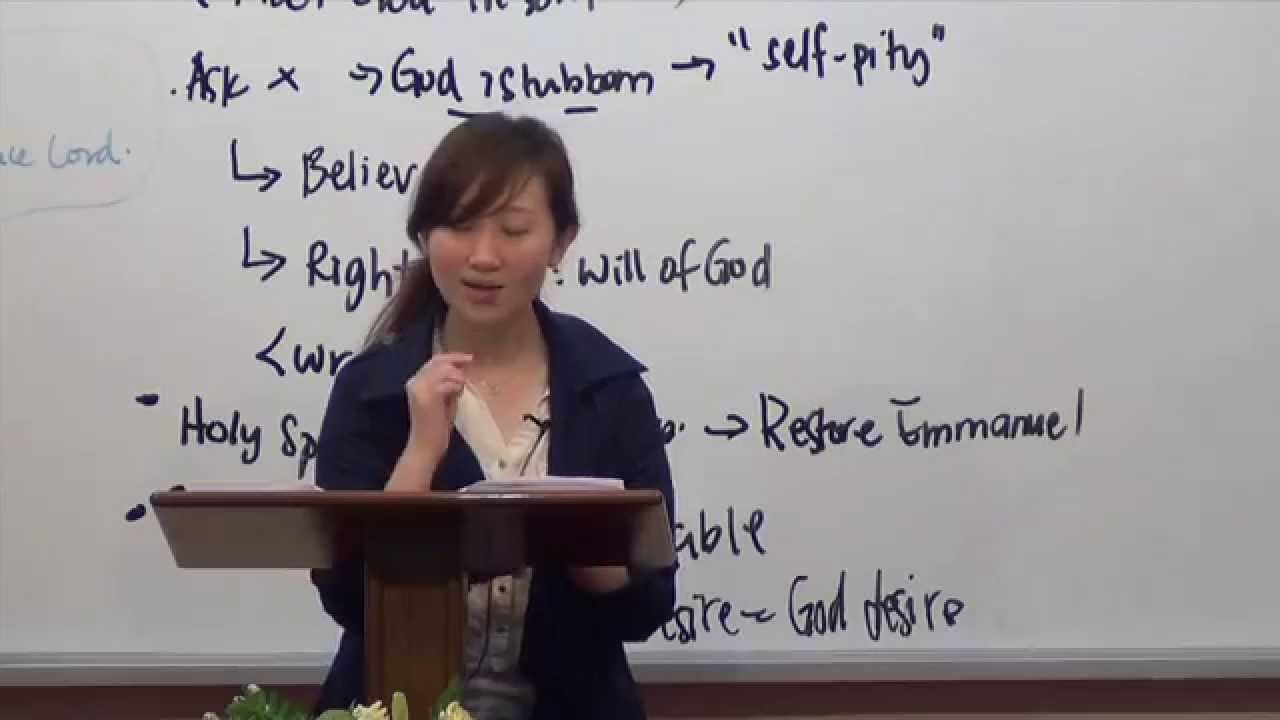
- Recognizing God’s “stubborn love” that persists in leading us toward His perfect will, even when we try to demand our own way.
- Choosing the “narrow gate” by intentionally setting ourselves apart from worldly convenience and fleshly reactions.
- The spiritual law that inner transformation—the fruits of the Holy Spirit—must always precede visible, external ministry success.
⏱️ Reading time: approx. 8 minutes · Saves you about 78 minutes vs. watching.
Want to take notes while watching? Click the image below and let AI Notebook capture the key points for you 👇

The Discernment of Love vs. The Trap of Judgment
Removing the Plank to See Clearly
We are all born as sinners, yet we often find it easier to point out the dust in a brother’s eye while ignoring the massive plank in our own. The Gospel does not call us to be blind to sin, but it demands that our starting point be one of self-reflection and grace. When we judge, we often overrate ourselves, forgetting that without God’s grace, we could not even breathe. A Gospel-centered person understands that only when they are fully loved can they truly pass that love on to others without condemnation.
True discernment is motivated by a desire to liberate, not to accuse.
While a judgmental spirit leaves the listener in the hands of the accuser, a discerning spirit seeks the restoration of the other person’s relationship with God. It looks past the physical manifestation of a weakness to see the spiritual state beneath. Before you judge, ask yourself: Is this person struggling with worldly sorrow or a spiritual helplessness that requires intercession? A spiritual man or woman is one who manages the situation from above, looking at others exactly how the Lord looks at them—with the eyes of a Master who is able to make His servants stand.

💡 Digging Deeper
Q: Is it ever right to rebuke a brother or sister?
A: Yes, Jesus rebuked people, but His goal was always to cause a “struggle in the heart” that drove them closer to God, never to leave them in despair or accusation.
Q: How can I stop being judgmental when I see obvious sin?
A: Shift your focus to the spiritual principles at play. Recognize that what is seen on the outside grew from something unseen on the inside, and remember that God has already accepted them; their standing is before their Master, not you.
Q: What is the “plank” in my own eye?
A: The plank is often our own self-righteousness or our tendency to forget that we are also “sinners of all sinners” who are only standing because of daily grace.
The Power of Persistent Prayer and God’s “Stubborn” Love
Asking, Seeking, and Knocking
Prayer is not a ritual; it is the first instinct of a person who realizes they cannot handle life in their own strength. When we are told to ask, seek, and knock, we are being invited into a space of solitude where we can prioritize God’s voice over the noise of the world. A person who believes in the power of prayer does not pray to change God’s mind, but to align their spirit with His, trusting that He gives good gifts to His children just as a father provides bread rather than stones.
We often fail to ask because we lack confidence in how much God truly loves us.
God’s love is often more stubborn than our own desires. We might wrestle with Him, demanding a specific result or a worldly success, but His greatest act of love is persisting in His perfect will for us. He knows that if He gave in to our shortsighted demands, we would be “short-changed” in the long run. His sovereignty transcends our present stubbornness, ensuring that His chosen people are molded into the vessels they were meant to be, regardless of how much we complain in the process.

💡 Digging Deeper
Q: Why doesn’t God answer my prayers the way I want?
A: Often, we don’t receive because we aren’t asking according to His will, which is always to restore our peace and relationship with Him first. He refuses to give you a “stone” even if you think it’s bread.
Q: How do I hear the Holy Spirit’s voice in prayer?
A: You must stop fixating on the “ending” or the results of a matter. When your emotions are tied to a specific outcome, you become deaf to the Spirit. Focus instead on restoring “Emmanuel”—God with you—right now.
The Narrow Gate: Choosing Gospel Values
Walking the Set-Apart Path
Entering the narrow gate means choosing the path of spiritual value over worldly convenience. It is incredibly easy to follow the “wide gate” of the flesh—to react with anger, to seek security in money, or to conform to the culture of the world. However, the narrow road leads to life because it requires us to treat God’s Word as more real than our circumstances. Setting ourselves apart isn’t about following a list of “don’ts” like not smoking or drinking; it’s about a total shift in our lifetime direction and purpose.
A set-apart life is driven by the conviction that there is no other way to find sustainable peace.
Like Peter, who realized he had nowhere else to go because only Jesus had the words of eternal life, we must reach a point where we see that following our flesh leads only to dryness. When we are rooted in the Rock—the Word of God—the storms of life may blow, but our foundation remains unshakable. Those who build on the sand of human opinion or worldly success will eventually face a “great crash” when the trials of life inevitably arrive.

Recognizing the Fruit: The Evidence of Faith
Inner Transformation Leads to External Impact
We recognize a tree by its fruit, and a Christian is no different. You cannot have external fruits—like a successful ministry or helping others—without first cultivating inner fruits. This process begins with repentance, which is not just feeling bad for sin, but a radical awakening to the fact that your previous life direction was leading you away from a Father who loves you. From this roots, the nine fruits of the Spirit—love, joy, peace, and self-control—begin to emerge.
It is impossible to bear good fruit while remaining disconnected from the vine of Christ.
Many people focus on “visible” fruits and become disheartened when they don’t see immediate success. However, God is always more concerned with the invisible transformation happening within you. Are you becoming more joyful despite your sorrows? Are you more patient in the face of conflict? When these inner fruits are established, the external impact becomes natural. People are drawn to the light and stability within you, and your life becomes a testimony that God uses to bless everyone around you.

Key Takeaways
The Sermon on the Mount concludes with a call to practice, not just listen. A “Gospel man” or “Gospel woman” is someone whose thinking system has been completely overhauled by the truth of their sunship. They no longer respond to the world based on their emotions or the stimulus around them; instead, they seek the spiritual reason behind every event. This doesn’t mean life becomes perfect or problem-free, but it does mean that restoration is always possible because God’s love is irrevocable.
We must make the Gospel a habit. Just as we might have spent years responding to our flesh, we now need to spend time immersing ourselves in the Word and the fellowship of the church to build a new nature. By building our lives on the solid foundation of God’s covenant, we ensure that every condition we face—whether we are at the top of our field or a “nobody” in the eyes of the world—becomes a special testimony that God can use for His kingdom.
Q&A
Q1: What is the main difference between a Gospel-shaped person and a world-shaped person?
A: A world-shaped person is defined by their external conditions and the world’s fluctuating values. A Gospel-shaped person knows they are a child of God and a source of blessing, meaning even their smallest or most difficult conditions are important in God’s eyes.
Q2: Why does the speaker emphasize that God’s love is “stubborn”?
A: Because we often try to demand things from God that aren’t good for us. His “stubbornness” is actually His persistence in keeping His perfect will for our lives so that we aren’t short-changed by our own limited desires.
Q3: Is the “narrow gate” just about following rules?
A: No, the narrow gate is about seeing the value in God’s way. Just as someone might take the stairs instead of the lift because they value health, a Christian chooses the narrow gate because they see that worldly convenience leads to spiritual destruction.
Q4: How can I tell if my prayer life is ritualistic or genuine?
A: Ritualistic prayer is done out of duty. Genuine prayer is born from a heart that believes God is the only source of wisdom and blessings, leading you to face Him first before you react to any situation.
Q5: What did Peter’s experience after denying Jesus teach us?
A: It shows that our relationship with God is irrevocable. Even when we fail or “deny” Him, God is the one who comes to find us first. He doesn’t come to add accusations, but to ask, “Do you love me?” and restore us.
Q6: Why is the church community mentioned at the end?
A: We need to immerse ourselves in a “blessed atmosphere” to confirm the Covenant together. It helps us shift our thinking system from the world’s patterns to God’s patterns, making our faith practical rather than just theoretical.
Q7: Can I bear fruit even if I am currently in a very weak state?
A: Yes. Inner fruit like repentance and peace can grow even in weakness. In fact, God often uses our “inadequacies” as the very soil where He produces the most powerful testimonies of His grace.